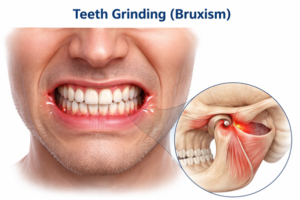

Nearly 59.2% of IT professionals in Bangalore experience diurnal (awake) bruxism, according to a published pilot study. That number is higher than most people expect, and it likely reflects how badly stress, poor sleep, and desk-job posture combine in this specific work culture. The condition involves involuntary clenching or grinding of teeth during waking hours or sleep, and it causes enamel loss, jaw pain, and morning headaches that don’t respond well to regular painkillers.
According to Dr. Darshit Patel, an experienced dentist in Seegehalli, Bangalore, IT professionals presenting with unexplained tooth wear and jaw fatigue are almost always grinding at night without realising it, and the damage builds faster than most patients expect.
Why Are IT Workers in Bangalore So Prone to Bruxism?
Screen pressure, caffeine, and fragmented sleep don’t each cause bruxism on their own, but together they’re a reliable recipe for it.
- Work Stress: Sprint deadlines and performance reviews keep the nervous system wired well past office hours, and that low-grade tension doesn’t switch off at bedtime, which is when most of the actual enamel damage quietly happens.
- Caffeine Intake: Most IT workers are on four or more coffees a day, and that much caffeine pushes the body into lighter sleep stages for longer stretches, which is precisely when nocturnal grinding is most frequent and aggressive.
- Desk Posture: Forward-head posture from hours at a workstation compresses the cervical spine and loads the temporomandibular joint, making the jaw physically more prone to clenching involuntarily through the night.
- Broken Sleep: Late-night screens suppress melatonin, shift timings break circadian rhythm, and fragmented deep sleep leaves far more window for bruxism episodes, all without the person ever consciously registering what’s happening.
Because the damage doesn’t hurt right away, most people chalk symptoms up to sinus issues or general tiredness for months. Getting a night guard consultation before enamel loss becomes severe is genuinely the easier path.
How Do You Know If You’re Already Grinding Your Teeth?
Most people with bruxism don’t catch themselves doing it. The body leaves signals instead.
- Morning Headaches: Waking up with tension around the temples or behind the eyes, especially on workdays, is one of the more consistent signs that the jaw muscles didn’t rest overnight, and plenty of IT workers spend years treating these as screen-fatigue headaches.
- Tooth Sensitivity: Once grinding strips enamel away it doesn’t come back, so teeth start reacting sharply to cold drinks or sweet food, and that sensitivity tends to creep up gradually until it becomes hard to ignore.
- That Jaw Click: A clicking or mild pop when eating or opening wide suggests the temporomandibular joint is under strain, often the result of months of overnight clenching that has slowly shifted things inside the joint.
- Flattened Molars: If a dentist mentions unusual wear during a routine visit, or your back teeth look noticeably flat compared to how they used to look, that’s evidence of grinding even if you’ve never heard yourself do it.
Symptoms like these are easy to brush off, but they don’t fix themselves. Our blog on TMJ pain and jaw problems goes deeper into how bruxism and jaw-joint disorders tend to feed each other over time.
Why Choose Aspire Dental Clinic?
Dr. Darshit Patel has 12+ years in microscopic dentistry and restorative rehabilitation, trained as a Certified Implantalogist from Pacific Dental College, Udaipur, and his clinical background means he reads bruxism not just as a surface wear problem but as a structural one that affects bone and implants over the long run.
What patients consistently mention is the clarity of the diagnosis. A lot of people had been managing morning headaches with over-the-counter medication for a year or two before one appointment here identified bruxism-related enamel damage as the actual problem.
FAQ
Yes. A custom night guard prevents direct enamel contact and reduces jaw muscle strain significantly during sleep.
Noticeable enamel loss can develop within six to twelve months of untreated nightly bruxism.
The grinding habit can be managed and stopped, but enamel already lost won’t regenerate without restorative treatment.
Yes. Excessive grinding puts abnormal force on implants and can compromise their long-term stability and integration.
Refrence
1. Bruxism Prevalence in IT Professionals — Journal of Indian Prosthodontic Society / NCBI
2. Temporomandibular Disorders and Bruxism — NIH / PubMed