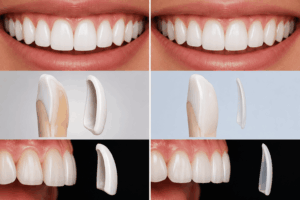


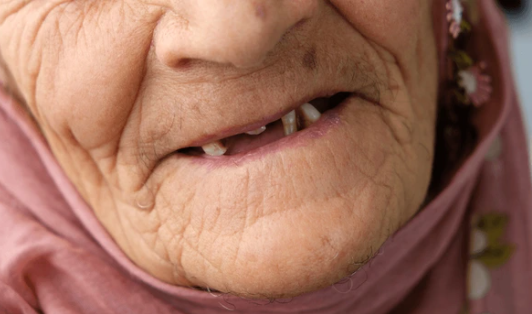
Losing a tooth can affect far more than just your smile. It can lead to significant changes in both the jawbone and the appearance of your face. Many people don’t realize that within weeks of losing a tooth, the jawbone starts to shrink, a process known as bone resorption. This can result in sunken cheeks, a protruding chin, and deeper wrinkles around the mouth. The good news is that modern dental treatments can help stop this process, but it’s important to act early. Let’s take a closer look at how missing teeth impact your facial structure and why timely intervention is crucial.
“As a dental professional with over 12 years of experience, I can tell you that early intervention is crucial when it comes to missing teeth. The longer you wait, the more likely you are to face irreversible bone loss and changes to your facial appearance. At Aspire Dental Clinic in Seegehalli, Bangalore, we specialize in helping patients restore their smiles and prevent further bone resorption.” — Dr. Madhuri.
Why Do Missing Teeth Affect the Jawbone?
Alveolar Bone Resorption: The Early Stages
When a tooth is lost, the root that once stimulated the jawbone disappears. This stimulation is essential for maintaining bone density. Without the tooth root, the body sees the jawbone as unnecessary and begins to reabsorb it. Bone resorption begins within weeks of losing a tooth and continues gradually, weakening the bone structure.Timeline of Jawbone Shrinkage
The jawbone doesn’t remain static after tooth loss. Here’s a timeline of the changes that can occur:
- 4–8 Weeks: Bone resorption begins; the gum ridge starts to flatten.
- 3–6 Months: Adjacent teeth begin to tilt into the gap, changing your bite.
- Year 1: Up to 25% of jawbone width can be lost, and early facial changes become noticeable.
- 3–5 Years: Significant facial collapse may occur, and the sinus may descend toward remaining teeth.
- 10+ Years: Severe bone loss sets in, and bone grafting may be required before an implant can be placed.
How Missing Teeth Change Your Face Over Time
Sunken Cheeks and Hollow Appearance
One of the first noticeable changes after losing teeth is sunken cheeks. The back teeth play a critical role in supporting the cheekbones. When teeth are missing, the bone beneath them begins to shrink, causing the cheeks to cave in, giving the face a hollow, aged appearance.
Chin Protrusion and Shortened Face Height
As the jawbone recedes, the lower jaw shifts forward and upward. This causes the chin to protrude, and the face shortens. Over time, you’ll notice a reduction in the distance between the nose and chin.
Wrinkles, Lip Thinning, and Sagging Skin
Missing teeth can also lead to thinner lips and deeper wrinkles around the mouth. Without the support of the teeth, the muscles surrounding the mouth sag, leading to visible signs of aging.Beyond Appearance: The Functional Effects of Missing Teeth
Difficulty Chewing
Missing teeth affect your ability to chew properly, which can lead to digestive problems as you avoid certain foods. Additionally, chewing without teeth can place excessive pressure on remaining teeth, accelerating their wear and tear.
Speech Changes
When teeth are missing, your ability to pronounce certain sounds can be altered. This can make your speech unclear and harder to understand, affecting communication.
Shifting Teeth and Bite Imbalance
The remaining teeth will start to shift into the space left by missing teeth, leading to misalignment and bite problems. Over time, this misalignment can cause further damage to the teeth and jaw.
When to Visit a Dentist
If you have missing teeth, it’s essential to visit a dentist as soon as possible. Early intervention can prevent bone loss, misalignment, and other complications. The longer you wait, the more challenging and expensive it becomes to restore the lost bone and fix the resulting changes in your face.
Treatment Options for Missing Teeth

Dental Implants
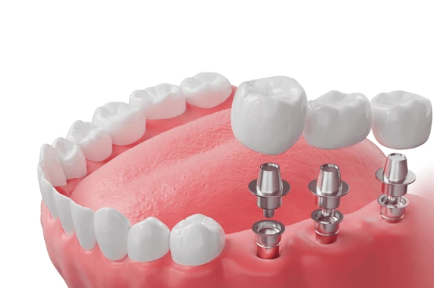
Dental implants are the gold standard for tooth replacement. A titanium post is surgically placed into the jawbone to act as the root of a replacement tooth. This procedure not only restores functionality but also prevents further bone resorption.
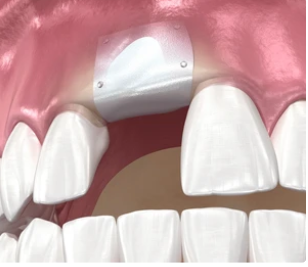
Socket Preservation (Bone Grafting at Extraction)
Socket preservation is a bone grafting procedure that’s done at the time of tooth extraction. It helps to maintain the structure of the jawbone and prevents bone loss, making it easier to place a dental implant later.
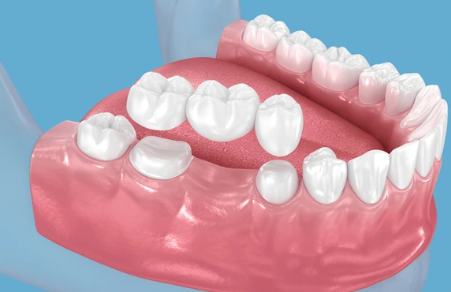
Dental Bridges
Dental bridges can restore the visible part of the missing tooth, but they don’t address the root. This means that bone loss continues beneath the bridge.
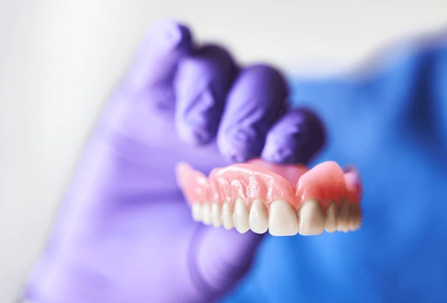
Dentures
Dentures can replace missing teeth, but they don’t prevent bone resorption. Over time, dentures may become loose and require frequent adjustments as the jawbone continues to shrink.
Prevention Tips to Protect Your Jaw
- Replace missing teeth promptly
- Ask about socket preservation
- Attend regular dental check-ups
- Manage gum disease
- Wear a night guard
- Maintain calcium and vitamin D intake
Missing teeth affect not just the aesthetics of your smile, but also your facial structure and jawbone health. The longer you wait to replace missing teeth, the more difficult and expensive the solution becomes. With options like dental implants, socket preservation, and dental bridges, it’s important to act quickly to avoid further complications. Contact Aspire Dental Clinic today to explore your options and prevent bone loss.