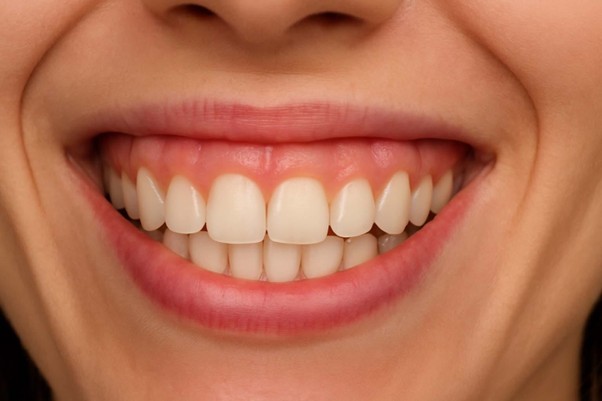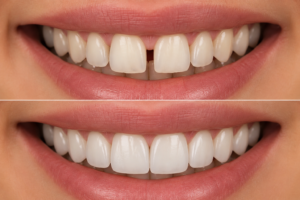
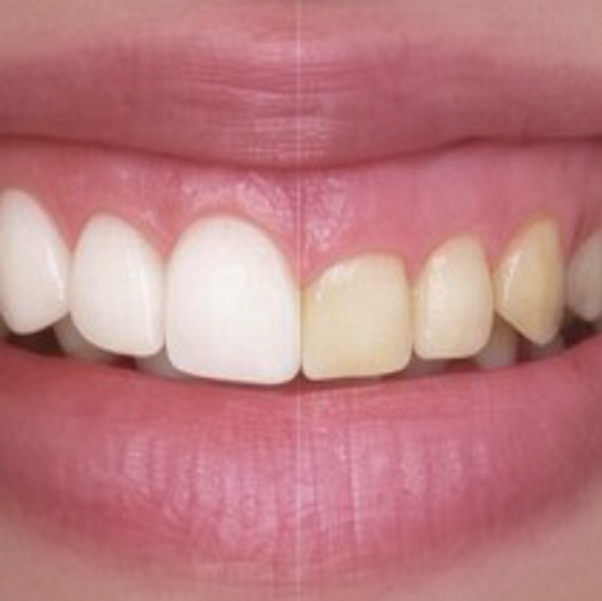

A gummy smile refers to when an excessive amount of gum tissue is visible when you smile, which can affect the overall appearance of your smile. While it’s often considered a cosmetic concern, a gummy smile can be treated through various medical and dental solutions. Understanding the cause of a gummy smile, whether it’s excessive gum tissue, short teeth, or an overactive upper lip, is the first step in finding the right treatment.
To fix a smile, you need to know what is causing it. Is it because you have a lot of gum, short teeth, or your upper lip is moving too much? Knowing the cause is the first step to finding the right treatment.
If you want to learn about fixing a smile, we can help. We will tell you about the ways to treat a gummy smile. These treatments can make your smile look better and work better.
“Correcting a gummy smile isn’t about changing who you are—it’s about refining your smile so it reflects your confidence effortlessly. With the right approach, we create balance, harmony, and a naturally beautiful result.”
— Dr. Madhuri Khode, Dental Clinic in Seegehalli, Bangalore | Aspire Dental
What Is a Gummy Smile?
A gummy smile refers to when the gums are overly visible when you smile. This condition is typically caused by various factors such as excessive gum tissue, short teeth, or a hyperactive upper lip. Gummy smiles can affect your confidence, but luckily, they can be corrected with the right treatment.
Common Causes of a Gummy Smile

Genetics
Some people inherit traits that lead to a gummy smile. If family members share similar concerns, genetics could be the cause, as certain facial structures and gum tissue patterns are passed down.
Overactive Lip Muscles
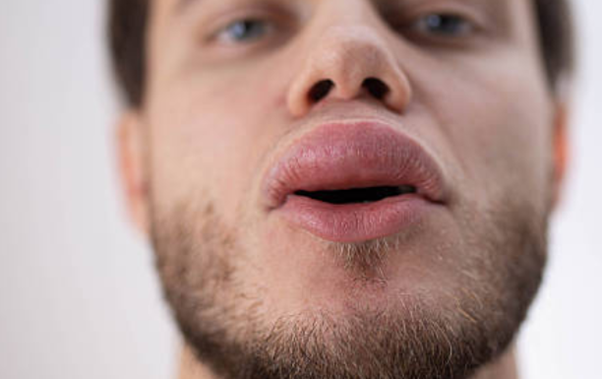
Strong muscles around the upper lip can cause it to lift higher than normal when smiling, exposing more gum tissue. This can result in a more noticeable gummy smile.
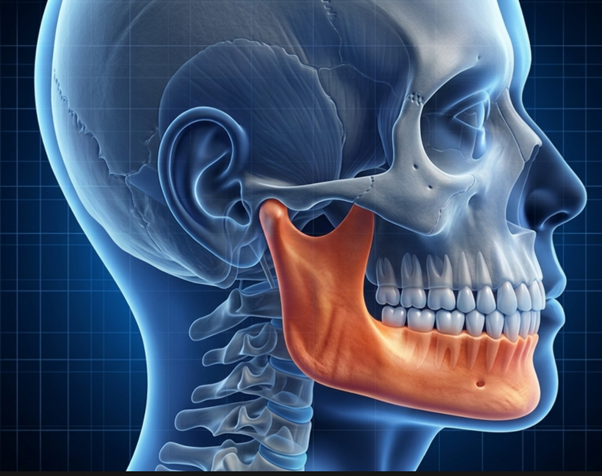
Abnormal Jaw Growth
An overdeveloped upper jaw can push the gums forward, making them more visible when smiling. This condition can be related to skeletal growth and may require surgical intervention.
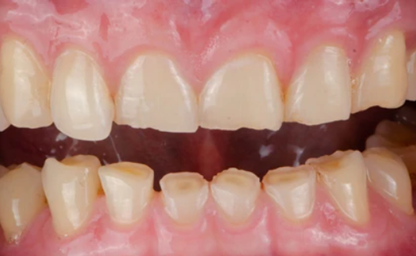
Short Teeth
Teeth that are smaller than average can make the gums appear more prominent. Less visible tooth surface means more gum is exposed when smiling.
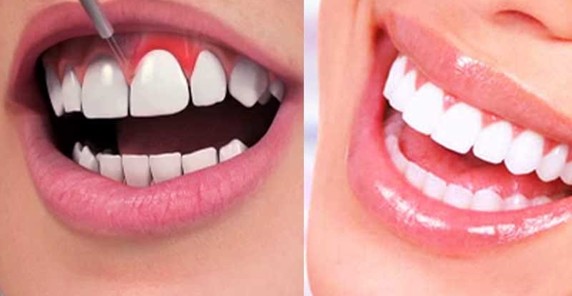
Treatment Options for Gummy Smile Correction
Correcting a gummy smile depends on its cause. Fortunately, several treatment options can help:

Botox Injections
Botox is a quick, non-invasive option for correcting a gummy smile. It works by relaxing the muscles around your upper lip, reducing the amount it lifts when you smile.
Gum Contouring
If you have excess gum tissue, gum contouring is an excellent option. This procedure reshapes your gums to reveal more of your teeth, creating a more balanced smile.
Orthodontics
Braces or clear aligners help in correcting misaligned teeth and jaw positioning, improving the appearance of your smile over time. For those with mild to moderate gummy smiles, orthodontics can offer a lasting solution.
Surgical Solutions
For more severe gummy smiles, surgery may be necessary. Le Fort Osteotomy is a procedure that can reposition the upper jaw to reduce gum exposure.
Crown Lengthening
Short teeth can be lengthened through crown lengthening surgery, exposing more of the tooth and less of the gums. This is ideal for individuals with short teeth.
Benefits of Gummy Smile Correction

Correcting a gummy smile brings several benefits that go beyond aesthetics. Here’s why it’s worth considering:
- Enhanced Confidence: No longer feel self-conscious when you smile.
- Improved Appearance: A more symmetrical smile that suits your face.
- Better Gum Health: Some procedures, such as gum contouring, can help in maintaining gum health.
Why Choose Aspire Dental Clinic?
What to Expect During the Procedure
The process for gummy smile correction typically involves several stages:
- Consultation: Your dentist will assess your smile and recommend the best solution. During your consultation at our dental clinic in Bangalore, you’ll receive expert advice.
- Procedure: Depending on the chosen treatment, the procedure will be either non-invasive or minor surgical.
- Recovery: Most treatments have minimal downtime, but recovery times may vary by procedure. Typically, Botox and non-surgical options require little to no recovery time.
Aftercare Tips for Gummy Smile Correction
Proper aftercare is key to achieving the best results. Here are some tips to help you:
- Botox: Avoid excessive lip movement for the first few days to ensure proper settling of the treatment.
- Gum Contouring or Surgery: Avoid hard foods for a few days to prevent irritation to the gums.
- Follow-Up Care: Ensure regular check-ups to monitor healing and progress.