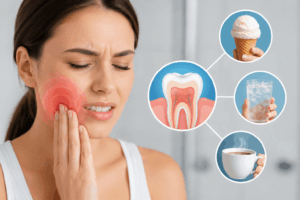
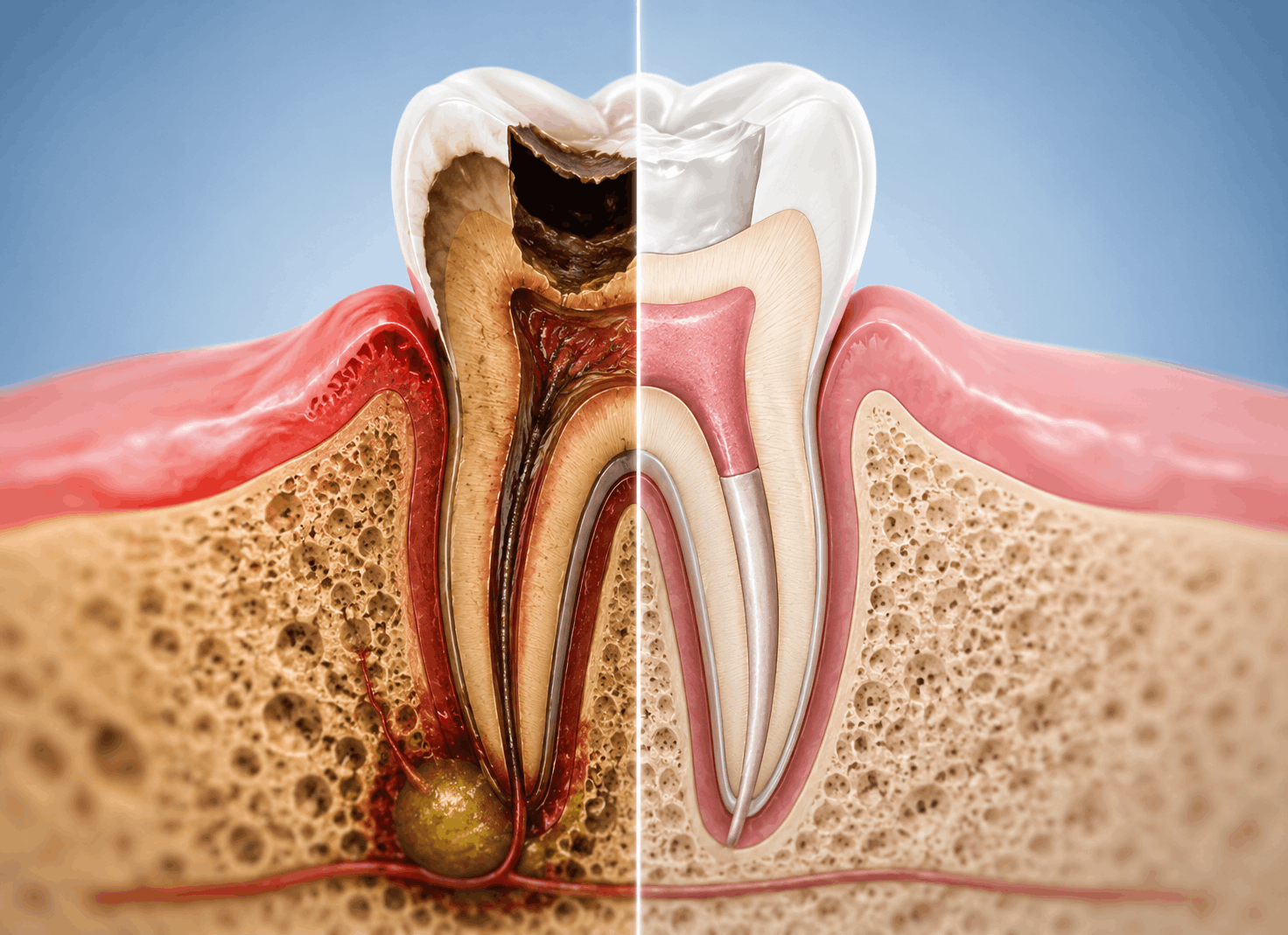
Root canal failure occurs in 14 to 16% of primary treatments, most commonly due to missed canals, incomplete cleaning, or bacterial reinfection through a leaking crown. Symptoms include returning pain, swelling, or a recurring sinus tract near the treated tooth. Most failed root canals can be retreated non-surgically by removing the existing filling, cleaning reinfected or missed canals, and resealing the tooth. Earlier retreatment gives better outcomes.
According to Dr. Darshit Patel, specialist at Dental Clinic in Bangalore, Most failures we see come down to canals that were missed on the original treatment, and under magnification those canals become visible and accessible in a way they simply weren’t before.
What Are the Most Common Reasons a Root Canal Fails?
Failure isn’t random. It follows a predictable set of clinical patterns, and most of them trace back to one of four causes.
- Missed canals: Molars often have extra canals a standard X-ray won’t show, and when those go uncleaned the bacteria inside simply wait until the periapical bone starts breaking down again.
- Incomplete debridement: Curved root anatomy makes it genuinely hard to instrument the full canal length, and anything left in the apical third keeps the infection going regardless of how clean the rest looks.
- Coronal leakage: A cracked crown or gapped filling lets oral bacteria track back into the sealed canal quietly over months, often with no obvious symptom until an X-ray shows periapical changes.
- Fractured instrument: A file tip that separates near the apex makes accessing the infected tissue below it difficult enough that treatment outcomes become genuinely unpredictable without magnification.
Catching failure early keeps retreatment simpler. Explore microscopic root canal treatment at Aspire Dental if symptoms have returned after a previous procedure.
What Does Root Canal Retreatment Actually Involve?
Retreatment follows a more demanding path than the original procedure since existing material has to come out before the real work begins.
- Removing old filling material: The gutta-percha from the original treatment is dissolved or mechanically cleared first, because nothing underneath is accessible until what’s in the way is gone.
- Locating missed anatomy: Under a dental operating microscope, canal openings invisible during the original treatment become findable, and that’s usually where the cause of failure actually sits.
- Cleaning and reshaping: Canal walls are re-instrumented and irrigated with disinfecting solution to clear residual bacteria and biofilm, which is the step that decides whether the tooth survives more than anything else does.
- Resealing and restoration: Canals are refilled once confirmed clean and a new crown prevents the leakage that caused the original failure, with dental implants only entering the picture if remaining tooth structure can’t support a proper restoration.
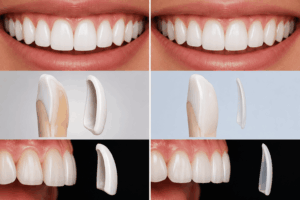
Patients managing failed cosmetic work alongside endodontic issues should read about veneers and laminates to understand how to sequence treatment correctly.
Why Choose Aspire Dental Clinic?
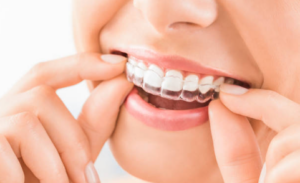
Dr. Madhuri Khoday, MDS Orthodontics and certified Invisalign provider with over 12 years of clinical experience, leads smile correction and alignment cases at the Seegehalli clinic. Her work covers everything from clear aligner therapy to complex bite correction, and she’s one of the few certified Invisalign providers operating in the Whitefield corridor.
Patients who come in thinking they need purely cosmetic work often leave with a treatment plan that fixes the underlying alignment first. That sequencing matters more than most people realise, and it’s where Dr. Madhuri’s orthodontic background changes the outcome.
FAQ
Persistent pain, swelling, or a returning sinus tract near the treated tooth are the most common signs of root canal failure.
Most failed root canals can be retreated non-surgically; success depends on the cause of failure and the condition of surrounding bone.
Retreatment typically requires one to three appointments depending on the complexity and extent of infection present.
Retreatment is performed under local anaesthesia and is not typically more painful than the original procedure.
Disclaimer
This blog is for educational and informational purposes only and should not be considered professional advice.