DIY teeth whitening kits are now widely used by people who want a brighter smile without visiting a dental clinic. With options like whitening strips, gels, trays, LED devices, and pens easily available in stores and online, teeth whitening at home has become a popular and convenient choice for many.
However, when it comes to the safety of DIY teeth whitening kits, the outcome depends on the product formulation, the concentration of bleaching agents, and proper use. Without proper dental evaluation, these kits may sometimes lead to tooth sensitivity, gum irritation, or uneven whitening results, particularly in patients with underlying enamel or gum issues.
Before starting any at-home whitening treatment, it is important to understand how these products work and whether they are appropriate for your individual oral health condition.
“In over 12 years of practice, I’ve seen patients come in with raw gums and painful sensitivity after using a kit bought online. Whitening itself isn’t inherently dangerous. The risks stem from unsupervised use, improper concentrations, and underlying dental issues such as cavities or gum disease. At Aspire Dental Clinic in Seegehalli, Bangalore, we always evaluate the oral cavity before starting any whitening procedure.” —Dr. Madhuri
How Do DIY Teeth Whitening Kits Actually Work?
Most over-the-counter kits rely on a bleaching agent, commonly hydrogen peroxide or carbamide peroxide. This agent breaks down stains on and just beneath the enamel surface, similar to in-clinic treatments but with critical differences in concentration and precision.
Active Ingredient
Store-bought kits usually contain 3–10% peroxide. Professional treatments can be stronger, but are applied with protective barriers and controlled timing. At home, there’s no such precision.
Application
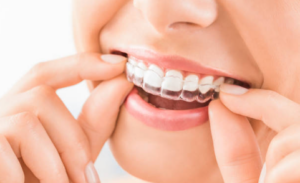
Whitening gel is designed for tooth surfaces, not soft tissue. Ill-fitting trays or improper use can cause gel to leak onto the gums, cheeks, and tongue, leading to chemical burns and irritation.
Charcoal and “Natural” Products
Activated charcoal powders or herbal products are abrasive. They may remove surface stains but can also strip enamel, which does not regenerate. “Natural” does not automatically mean safe for daily use.
Risks of Using Whitening Kits at Home
Some effects of home whitening kits may cause temporary tooth sensitivity and gum irritation, often due to strong bleaching agents or incorrect application. In some cases, repeated or unsupervised use can also lead to enamel weakening and uneven whitening results, especially when natural teeth and dental restorations respond differently. Some consequences are immediate, while others appear months later.
Understanding these risks is important before starting any at-home whitening routine.

Tooth Sensitivity
Bleaching agents open microchannels in teeth, exposing nerves. Sensitivity may be temporary or linger depending on the individual. According to Dr Madhuri, sensitivity is one of the most common side effects of whitening and usually fades once treatment stops.
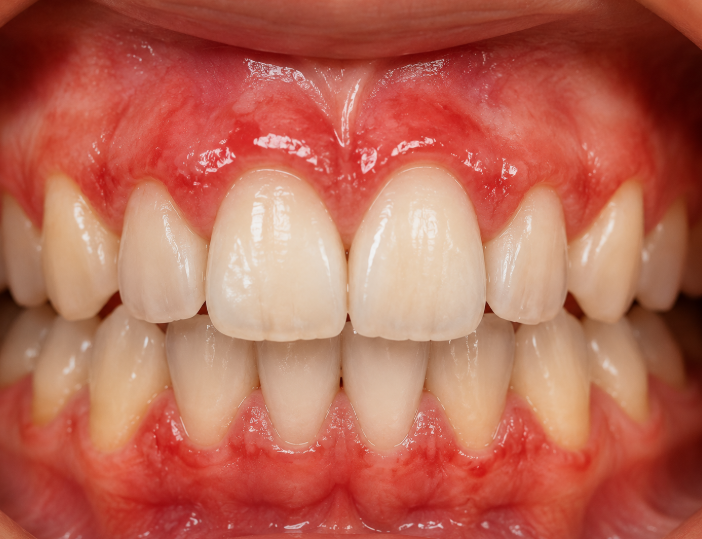
Gum Irritation and Chemical Burns
Peroxide that contacts gums may cause stinging, whitening, or sores. While many cases heal, frequent exposure can lead to lasting discomfort.
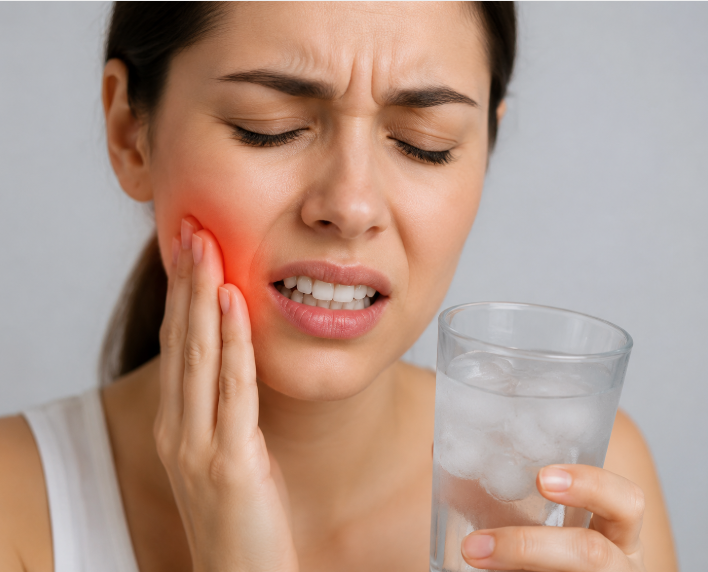
Enamel Erosion
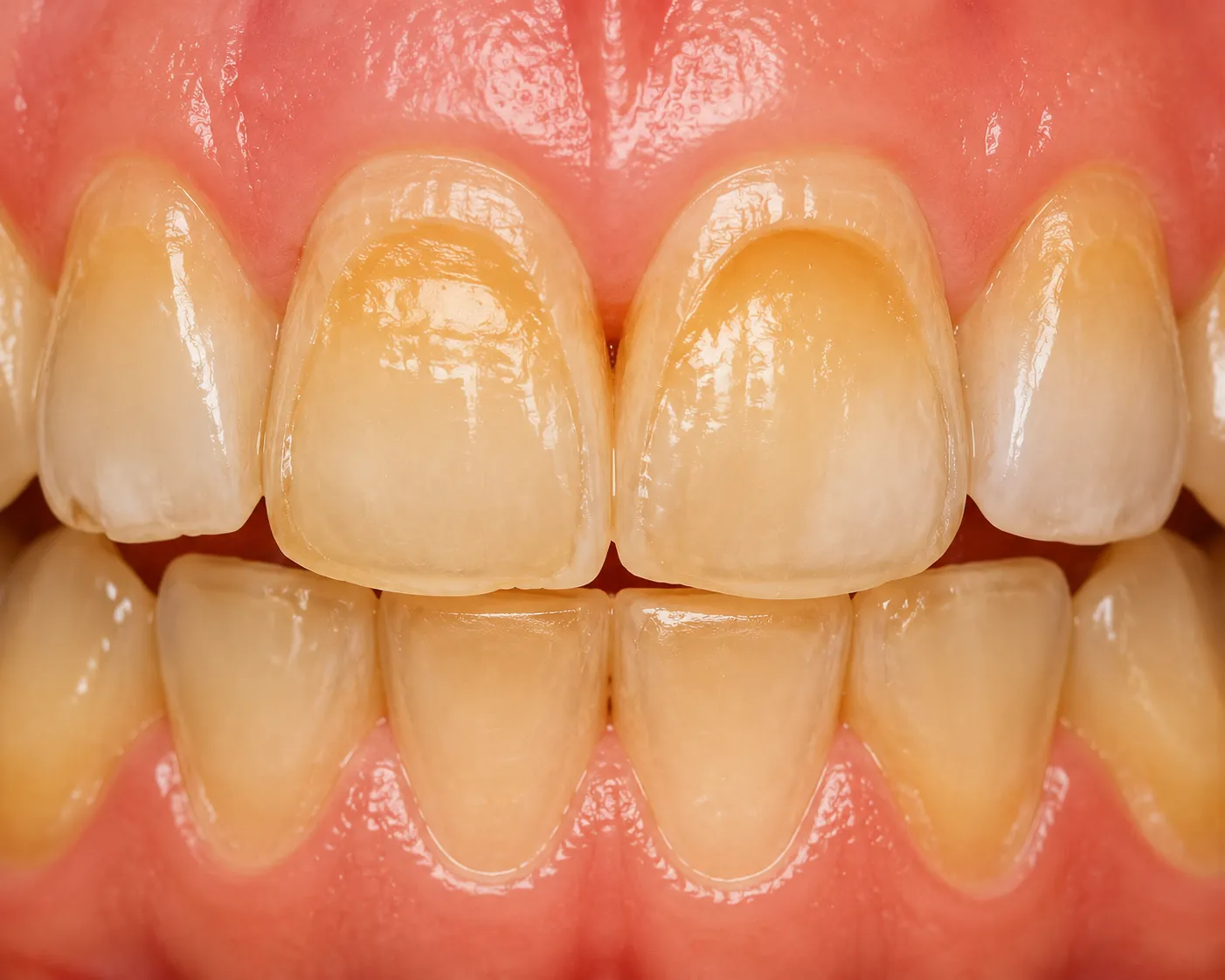
Repeated use or acidic formulas can thin enamel, leading to yellowing, increased sensitivity, and higher cavity risk.
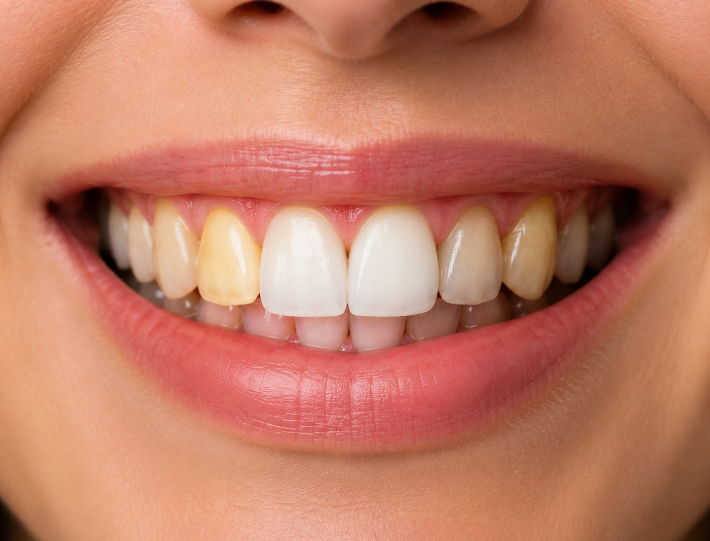
Uneven Results
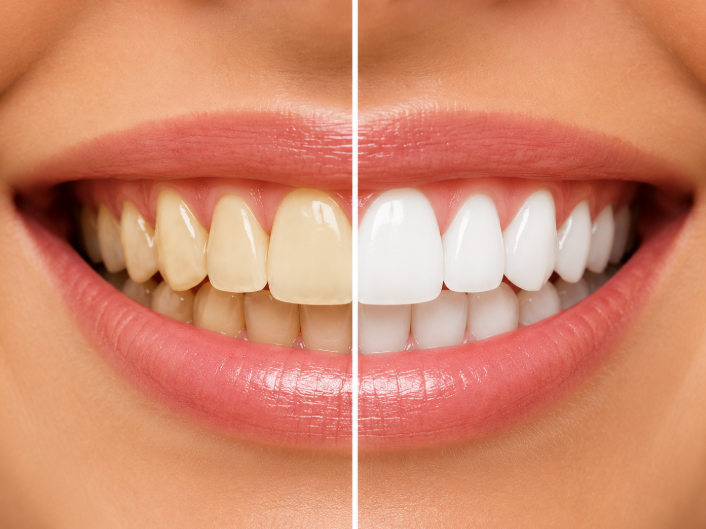
DIY kits cannot differentiate between natural teeth, crowns, or fillings. This may produce patchy whitening, especially on older restorations.
When Should You See a Dentist Instead?
Professional evaluation is crucial if you have untreated cavities, gum disease, exposed roots, or recent dental work. Whitening over a cavity can expose the nerve to peroxide. Pregnant or breastfeeding patients should wait, and medication-induced stains require tailored professional treatments rather than DIY kits.
Safer Alternatives to DIY Kits
If you want a brighter smile with minimal risk, consider:
Professional In-Clinic Whitening
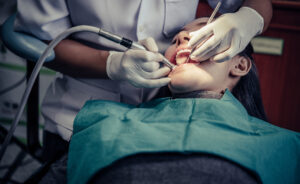
Fast, controlled, and safe. Dentists protect gums, regulate peroxide concentration, and monitor teeth whitening for consistent results.
Custom Take-Home Trays
Dentists create perfectly fitting trays with professional-grade gels. You get home convenience without the guesswork.
Routine Cleaning and Polishing
Surface stains may not indicate discoloration. A professional cleaning can remove years of coffee or tea stains in one session.
Tips to Maintain a Bright Smile Safely
Rinse with water after coffee, tea, or wine
Use a straw when consuming staining beverages
Brush twice daily and floss properly
Avoid abrasive charcoal products for routine use
Schedule professional dental cleaning every six months
Always consult a dentist before whitening
DIY teeth whitening kits aren’t automatically dangerous, but incorrect use or underlying dental issues can turn a quick brightening session into months of sensitivity and damage. The safest approach is simple: have your teeth checked first, then whiten under professional guidance. Enamel does not regenerate, so prevention is key. Visit your nearest dental clinic to find the right option for your smile.
FAQs
They can be safe in low concentrations, but unsupervised use risks enamel damage, gum burns, and sensitivity.
Abrasive or overused products can wear down enamel, which does not regenerate once lost.
Peroxide temporarily opens tiny channels in the tooth, exposing nerves and causing short-term sensitivity.
Yes. Professional whitening ensures controlled concentration, gum protection, and consistent, long-lasting results.
No. Whitening over a cavity exposes the nerve to peroxide. Treat cavities first.
Reference – American Dental Association