
Most parents think braces are only needed when their child develops crooked or crowded teeth. However, modern orthodontics goes beyond straightening teeth and focuses on how a child’s jaws develop, how they breathe, and how these factors influence long-term oral health.
Early orthodontic assessment can help identify growth-related concerns before they become more complex. By guiding jaw development during childhood, orthodontic treatment may create space for permanent teeth, support healthier breathing patterns, and promote balanced facial growth.
What Is Airway-Focused Orthodontics?
- Permanent teeth to erupt naturally
- The tongue to rest in the correct position
- Healthy nasal breathing
- Balanced facial growth
“In my clinical experience, some of the most significant orthodontic concerns don’t start with the teeth; they start with the way a child grows and breathes. Crowded teeth, narrow arches, mouth breathing, and certain bite issues can all be linked to underdeveloped jaws and airway concerns. By assessing these factors early, we can support healthier facial development and create a stronger foundation for long-term oral health.” — Dr. Madhuri
Is Your Child Breathing Through Their Mouth?
Why Jaw Growth Matters During Childhood
A child’s jaw structure forms the foundation of their smile. The way the upper and lower jaws develop affects not only tooth alignment but also facial appearance, oral function, and airway health.
Many parents assume crowded teeth occur because teeth are too large. In reality, the issue is often that the jaws have not grown enough to accommodate all the permanent teeth properly.
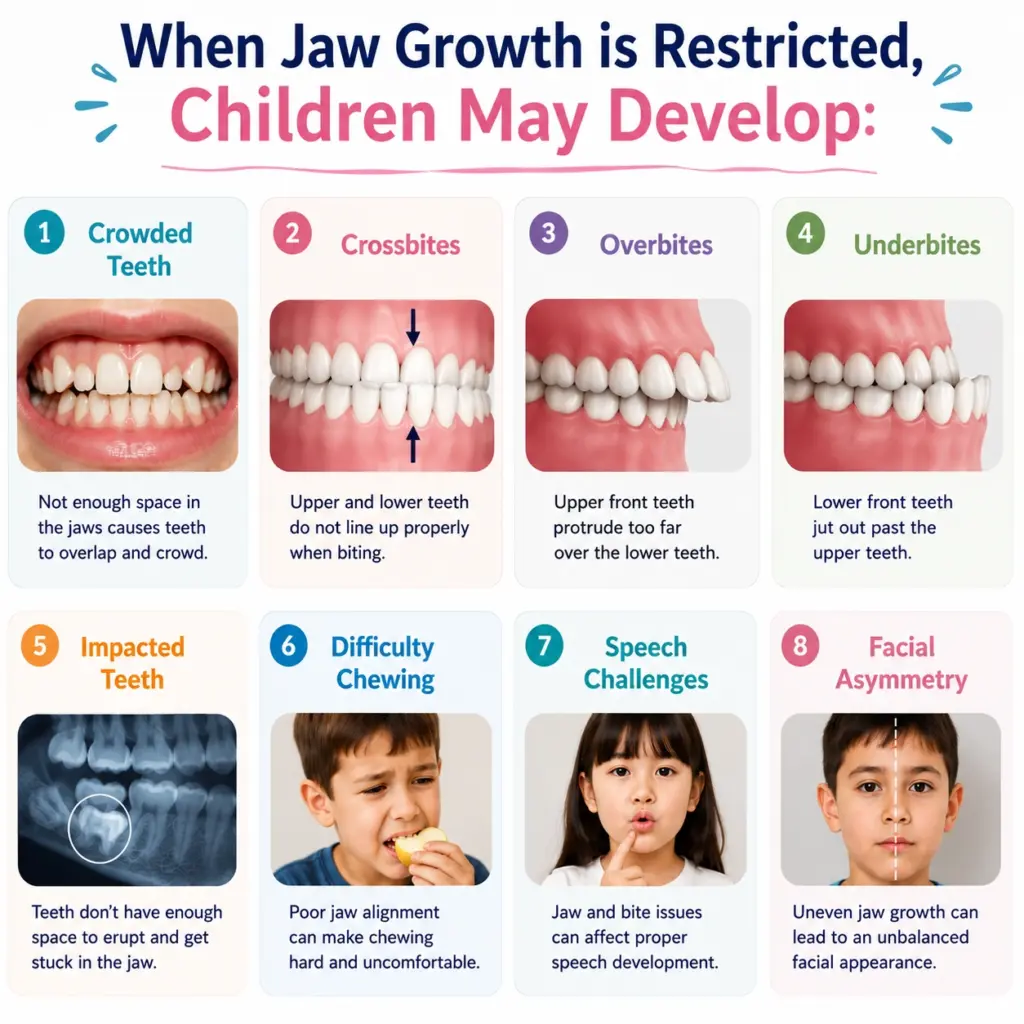
Because children’s bones are still actively growing, orthodontists can often guide development during these years more effectively than later in life.
By identifying jaw growth concerns early, treatment can encourage a healthier foundation for future oral development.
The Important Relationship Between Jaw Growth and the Airway
One of the most exciting developments in modern orthodontics is the growing understanding that jaw development and breathing are closely connected.
The upper jaw forms part of the nasal airway. If the upper jaw remains narrow, there may be less room for the tongue, which can affect how a child breathes during the day and while sleeping.
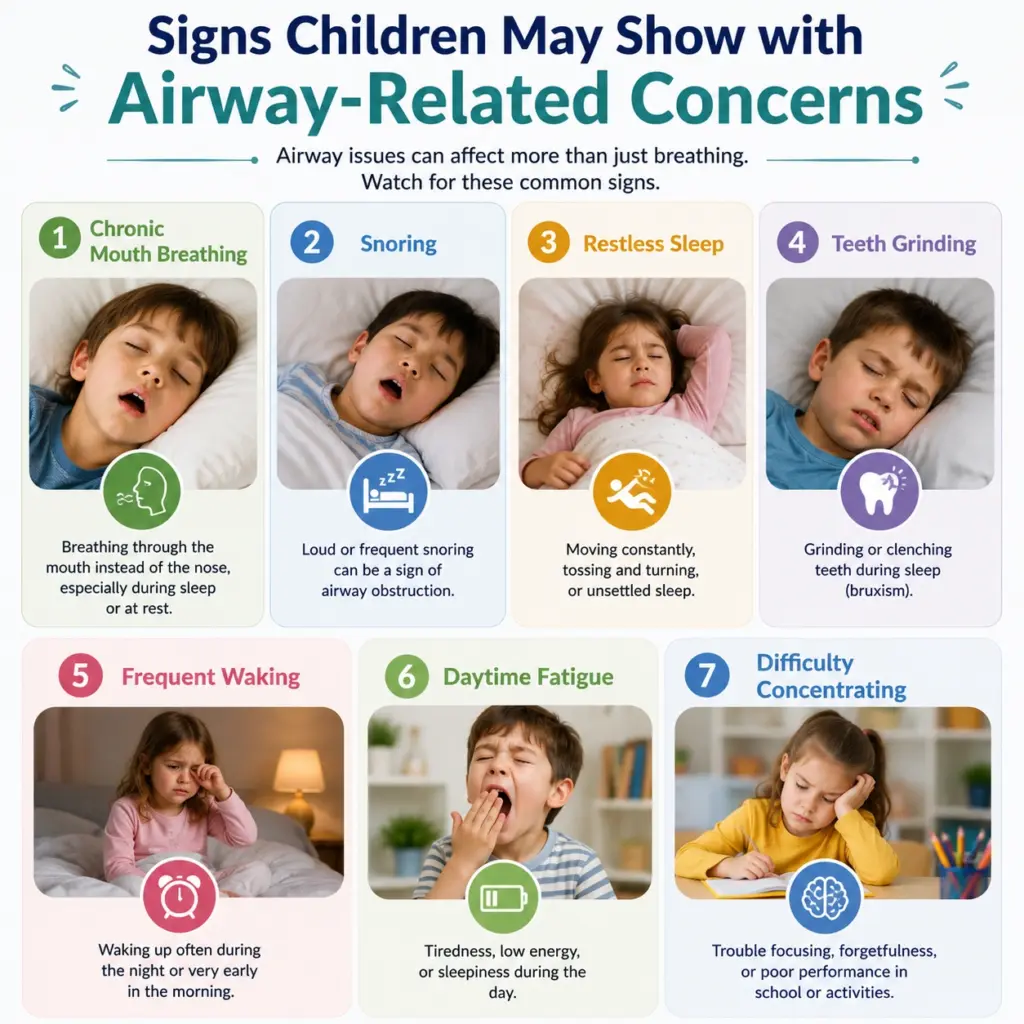
Breathing through the nose helps support healthy facial growth and proper tongue posture. However, when a child consistently breathes through their mouth, the muscles and structures of the face may develop differently over time.
This is why many orthodontists now consider airway health an important part of orthodontic assessment and treatment planning.
Signs Your Child May Benefit From Early Orthodontic Treatment
Not every child requires braces at a young age, but certain symptoms may suggest that an orthodontic evaluation would be beneficial.

Persistent Mouth Breathing
Children should primarily breathe through their noses. Chronic mouth breathing may impact facial development and jaw growth.
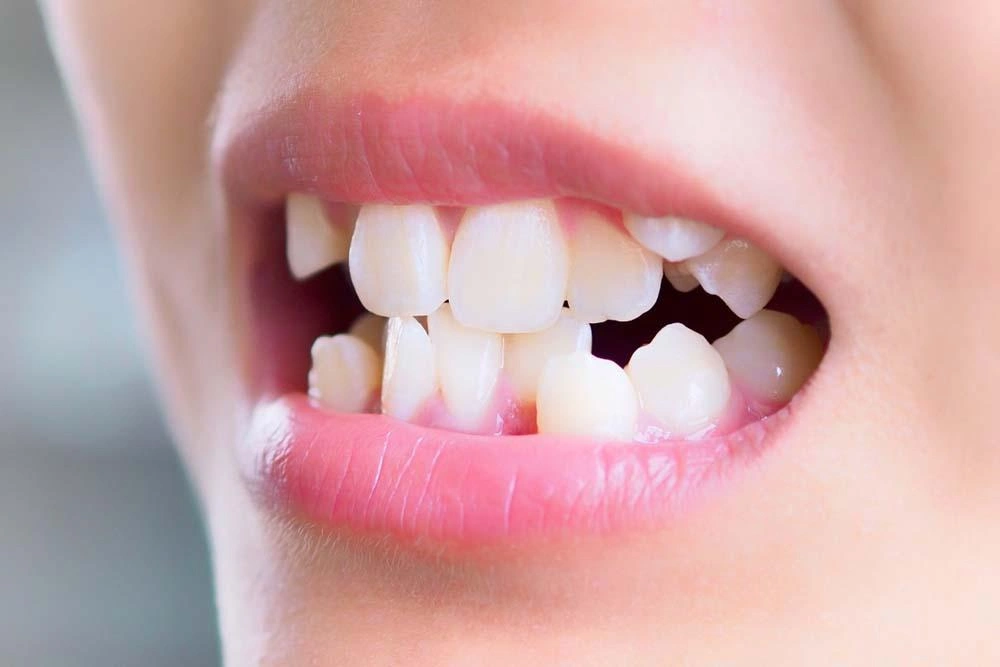
Crowded or Overlapping Teeth
Early crowding can indicate that there is insufficient room within the jaws for permanent teeth.

Snoring and Poor Sleep Quality
Regular snoring or restless sleep may sometimes be associated with airway concerns.
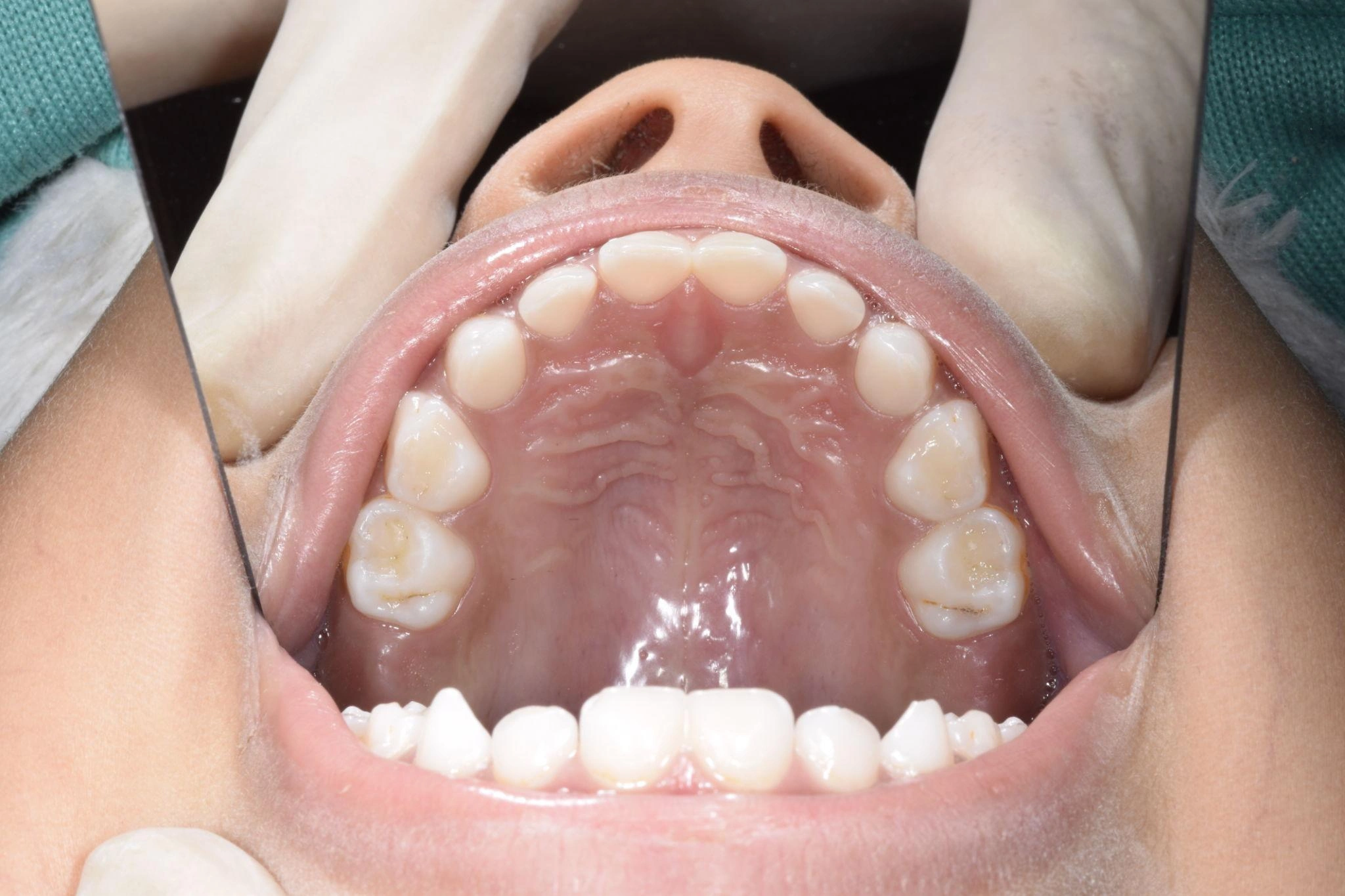
Narrow Dental Arches
A narrow upper arch may contribute to both breathing and alignment problems.
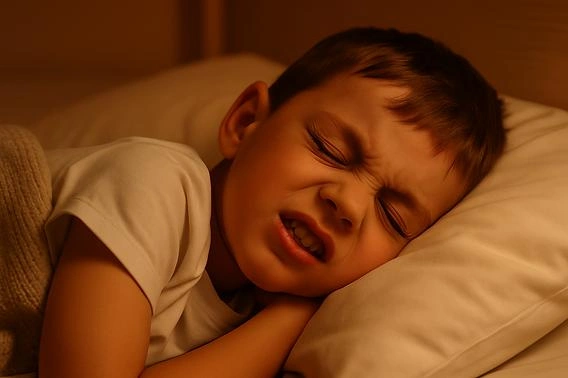
Teeth Grinding
Grinding during sleep can sometimes be linked to airway or bite-related issues.

Difficulty Concentrating
Children who don't sleep well often experience daytime fatigue and reduced concentration.
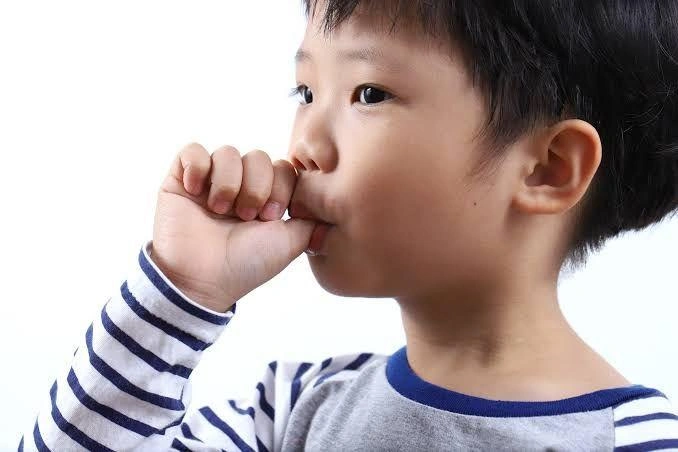
Extended Thumb Sucking Habits
Certain oral habits can influence jaw development and bite formation.
Does Your Child Snore or Sleep With Their Mouth Open?
How Early Childhood Braces Support Jaw Growth and Airway Development
Early orthodontic treatment is often called interceptive orthodontics because it focuses on identifying and addressing concerns while a child is still growing.
The objective is not always to straighten every tooth immediately. Instead, treatment often focuses on guiding jaw growth and creating a healthier environment for future development.
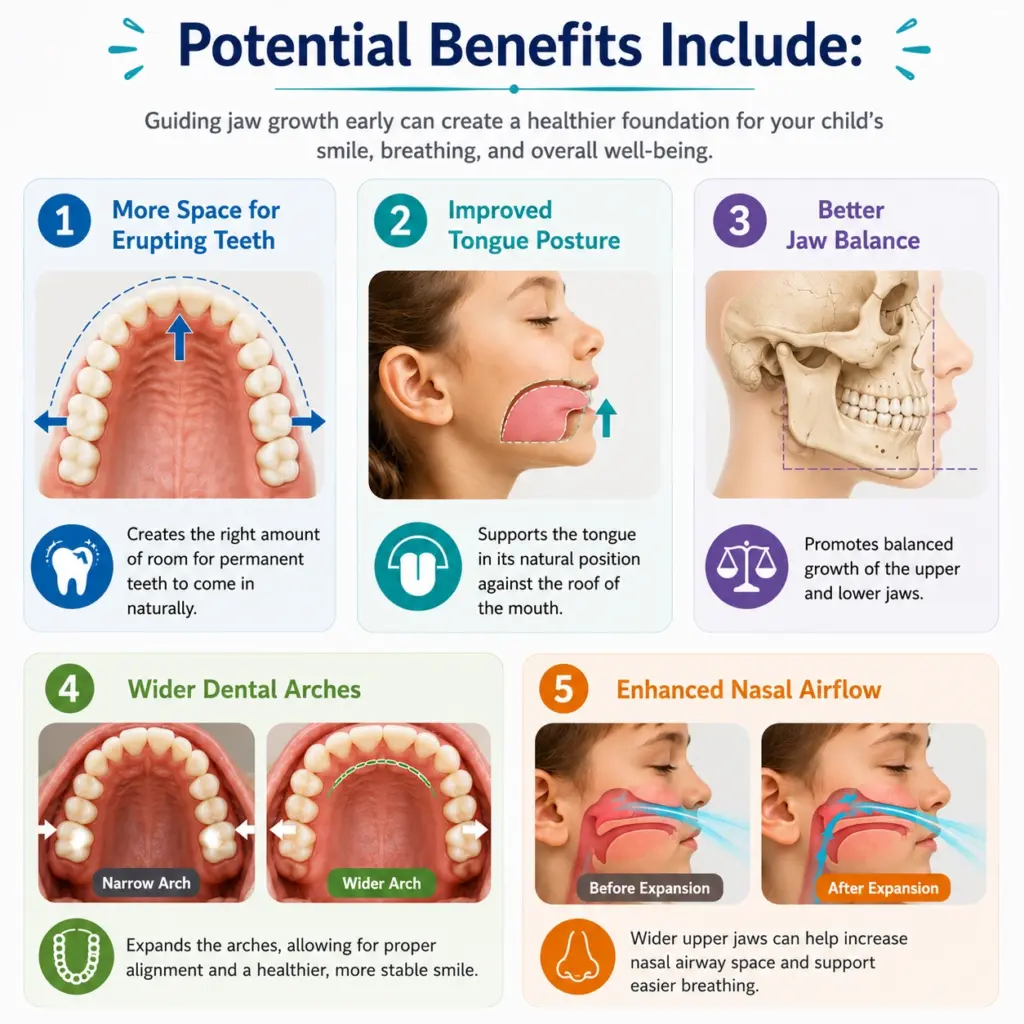
Palatal Expansion
One of the most commonly used treatments is palatal expansion. A palatal expander gently widens the upper jaw while it is still developing.
Growth-Guidance Appliances
Certain orthodontic appliances are designed to encourage the jaws to grow in a more favourable direction during childhood.
Correcting Oral Habits
Addressing habits such as thumb sucking, tongue thrusting, and mouth breathing can support healthier growth patterns.
Monitoring Facial Development
In some cases, careful monitoring may be all that's needed until the appropriate time for treatment.
Benefits of Early Childhood Braces Beyond Straight Teeth
Parents are often surprised to discover that the benefits of early orthodontic treatment extend well beyond aesthetics.
When treatment is provided during active growth years, children may experience:
Improved Breathing
Creating space for proper tongue posture and jaw development may help encourage healthier breathing patterns.
Better Sleep Quality
Children who breathe more efficiently may experience better sleep and improved daytime energy.
Reduced Crowding
Guiding jaw growth can create additional room for permanent teeth.
Healthier Facial Development
Proper jaw development supports balanced facial growth and long-term aesthetics.
Improved Oral Function
Chewing, swallowing, and speaking can all benefit from healthy jaw relationships.
Reduced Treatment Complexity Later
Some children may require less extensive orthodontic treatment during adolescence.
When Should a Child Have Their First Orthodontic Assessment?
Most orthodontic organisations recommend that children have their first orthodontic evaluation around the age of seven.
At this stage, orthodontists can assess:
Jaw growth
Tooth eruption patterns
Bite development
Dental crowding
Airway-related concerns
Facial growth
Even if treatment is not required immediately, monitoring allows developmental issues to be identified early and addressed at the right time.
Why Early Intervention Can Make a Lifelong Difference
The childhood years represent a unique window of opportunity because the jaws and facial bones are still actively developing.
When concerns are identified early, orthodontists can work with a child’s natural growth rather than attempting to correct more complex issues later.
Airway-focused orthodontics recognises that healthy smiles are built on healthy foundations. By encouraging proper jaw growth, supporting better breathing habits, and creating adequate space for developing teeth, early treatment may contribute to both oral health and overall wellbeing.
The goal isn’t simply straighter teeth; it’s helping children grow, breathe, sleep, and develop more comfortably.
Give Your Child the Best Start for Healthy Growth and a Confident Smile
FAQs
Most children should have their first orthodontic assessment around age seven.
Airway-focused orthodontics evaluates the connection between jaw growth, breathing patterns, tongue posture, and tooth alignment.
Early orthodontic treatment may help create conditions that support healthier breathing patterns by encouraging proper jaw development.
Chronic mouth breathing may influence how the jaws and facial structures develop during childhood.
No. Some children only require monitoring, while others may benefit from growth-guided intervention.
In some cases, addressing developmental concerns early may reduce the complexity of future orthodontic treatment.