Children’s dental needs are different from those of adults. As their teeth, jaws, and oral habits develop, several dental problems can arise that may affect their oral health, confidence, and overall well-being. While some issues are minor and temporary, others require professional attention to prevent long-term complications.
Understanding common childhood dental problems and knowing how to address them can help parents make informed decisions about their child’s oral health. For specialised care, our pediatric dentistry team focuses on early orthodontic treatment and preventive procedures for children.
“In my clinical experience, many childhood dental problems can be prevented or treated early when parents understand what signs to look for. Regular dental check-ups, healthy habits, and timely intervention play a significant role in ensuring a child’s smile develops properly.” — Dr. Madhuri
Why Children's Dental Health Deserves Special Attention
A child’s primary (baby) teeth do much more than help them chew food. They support speech development, maintain space for permanent teeth, and contribute to healthy jaw growth. Ignoring dental issues during childhood can increase the risk of pain, infections, difficulties with eating, and orthodontic problems later in life.
The good news is that most common dental problems in children can be effectively managed when detected early.
Tooth Decay (Dental Cavities)
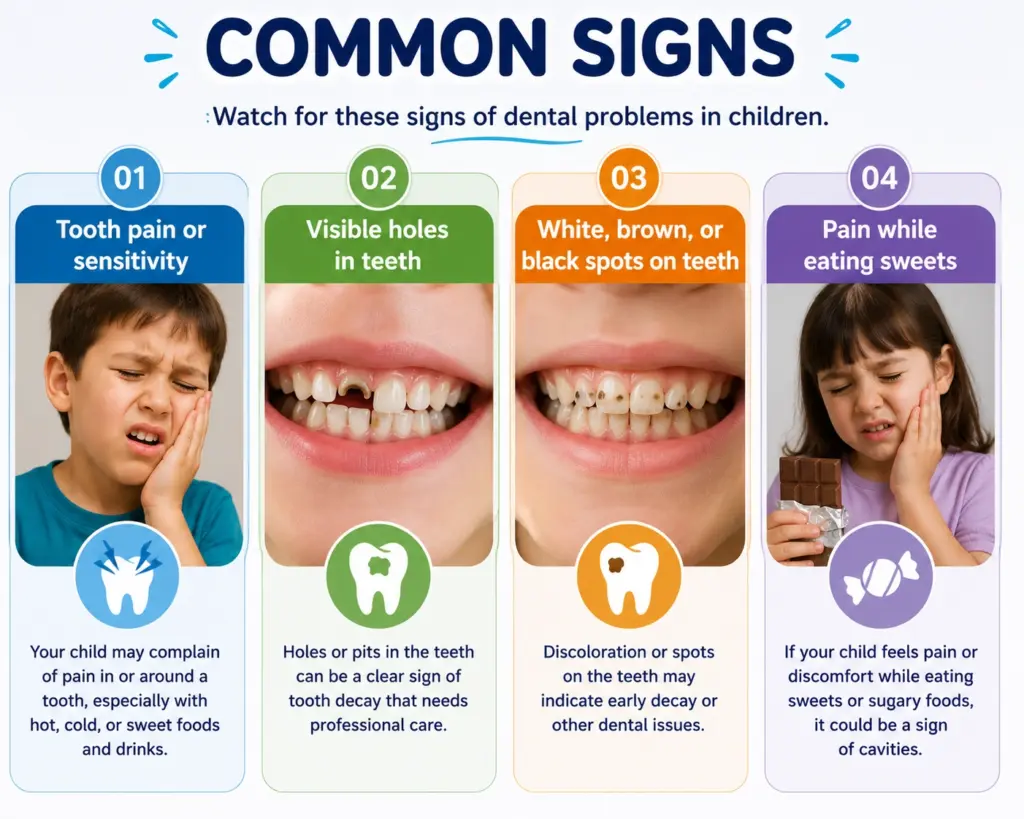
One of the most common dental problems in children is tooth decay. Frequent consumption of sugary snacks, juices, chocolates, and inadequate brushing habits can allow bacteria to damage the enamel, leading to cavities.
Solution
Early cavities may be managed with fluoride treatments, while larger cavities often require fillings. Encouraging proper brushing twice daily, limiting sugary foods, and scheduling regular dental visits can significantly reduce the risk of decay.
Early Childhood Caries (Baby Bottle Tooth Decay)
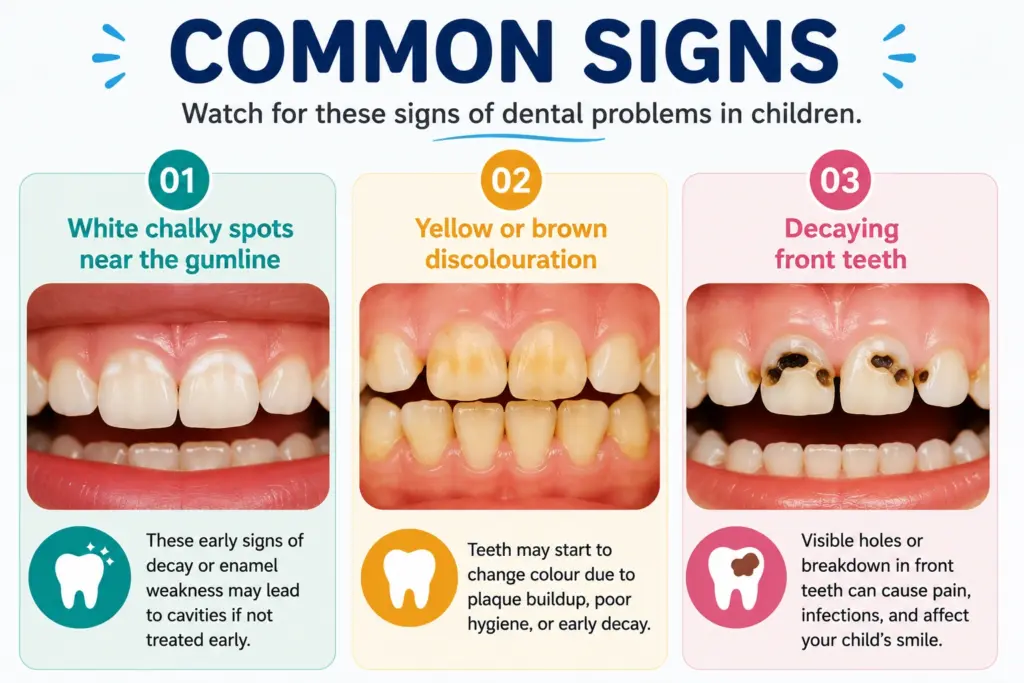
Baby bottle tooth decay commonly affects infants and toddlers who frequently consume milk, formula, or sweetened drinks before sleeping.
When sugary liquids remain on the teeth for extended periods, bacterial activity increases, causing rapid decay.
Solution
Parents should avoid putting children to bed with milk bottles, clean the gums and teeth regularly, and introduce water after feeding. Early treatment can prevent extensive damage to developing teeth.
Thumb Sucking and Prolonged Pacifier Use
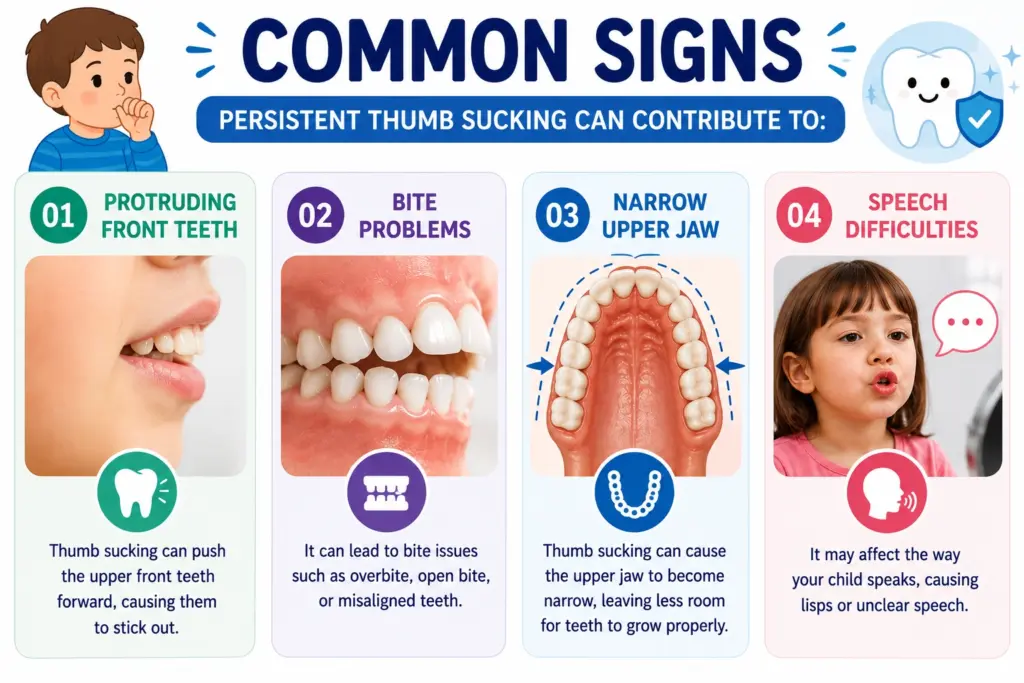
Thumb sucking is a natural reflex for many children. However, if the habit continues beyond the age of four, it may affect dental and jaw development.
Solution
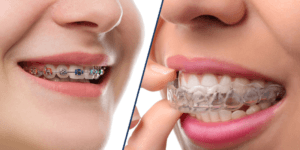
Early orthodontic evaluations help identify developing problems before they become severe. Interceptive orthodontic treatments, including braces and, for older children and teens, Invisalign, can guide jaw growth and create space for permanent teeth.
Crooked Teeth and Bite Problems
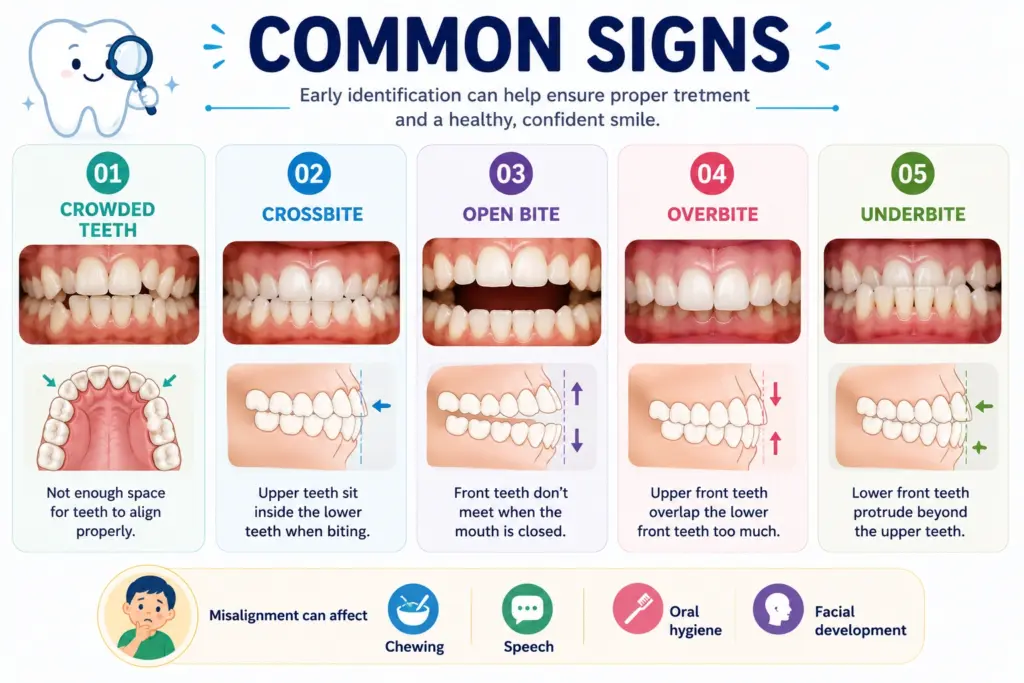
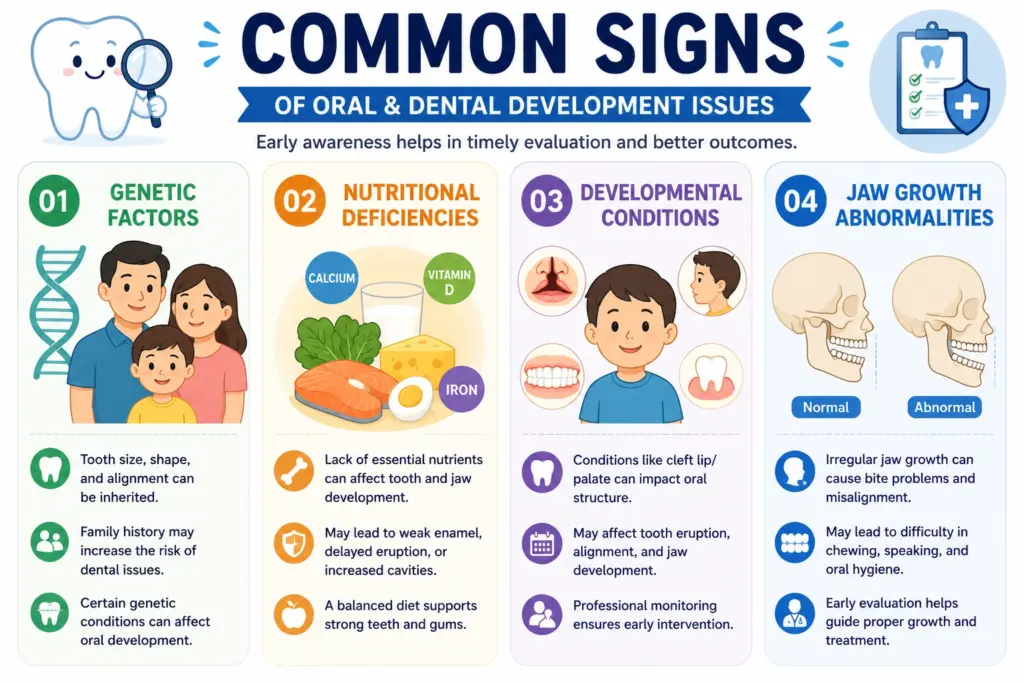
Some children naturally develop crowded teeth or misaligned bites due to genetics, jaw size discrepancies, or oral habits.
Solution
Early orthodontic evaluations help identify developing problems before they become severe. Interceptive orthodontic treatments can guide jaw growth and create space for permanent teeth.
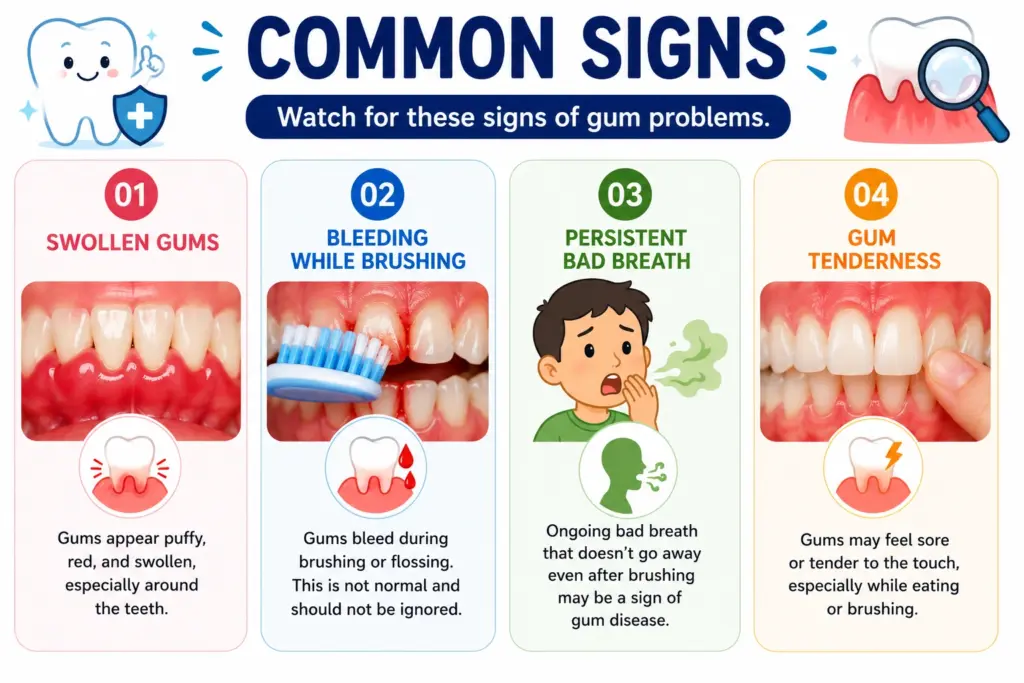
Gum Problems in Children
Many parents are surprised to learn that gum disease can affect children too.
Poor oral hygiene allows plaque buildup around the gums, leading to inflammation and bleeding.
Solution
Professional cleaning, proper brushing techniques, and improved oral hygiene habits usually resolve mild gum issues. Early treatment prevents progression to more serious gum disease.
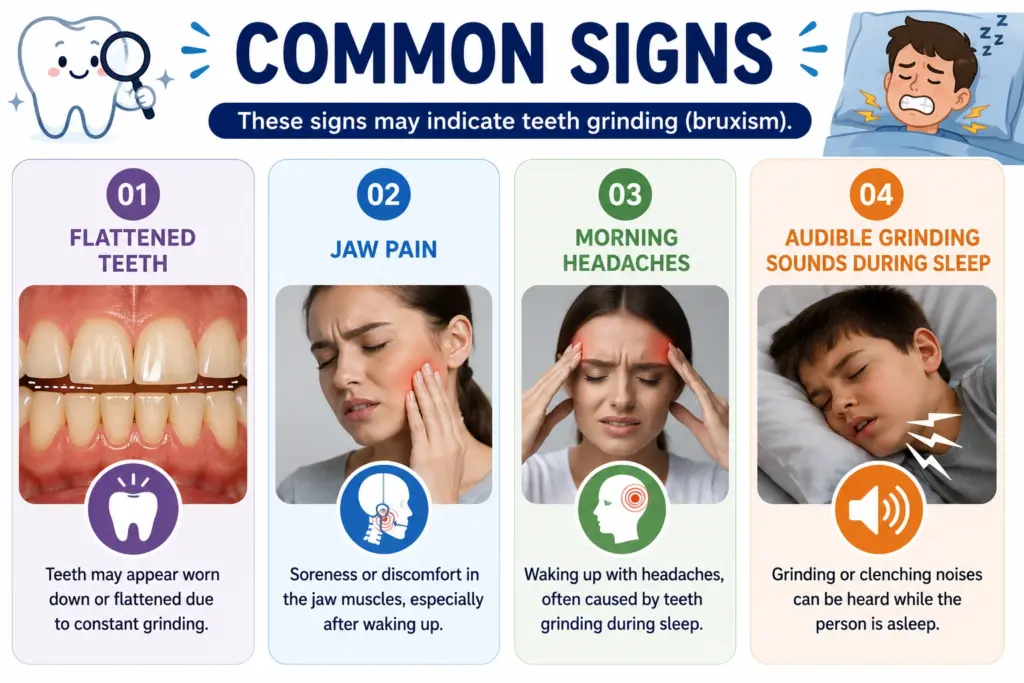
Tooth Grinding (Bruxism)
Some children grind their teeth during sleep. While mild grinding is often temporary, excessive grinding can wear down teeth and cause discomfort.
Solution
A pediatric dentist can evaluate whether treatment is necessary. Stress management, sleep habit improvements, and monitoring jaw development may help reduce grinding.
Dental Trauma and Broken Teeth
Active children frequently participate in sports and outdoor activities, increasing the risk of dental injuries.
Solution
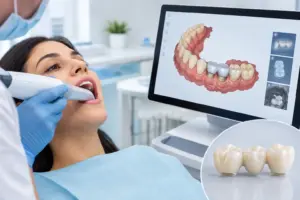
Prompt dental treatment is essential. If a permanent tooth is knocked out, it should be preserved in milk and brought to the dentist immediately. Depending on the extent of damage, treatment may involve crowns and bridges to restore the tooth. Wearing mouthguards during sports can significantly reduce injury risks.
Delayed or Early Tooth Eruption
Every child develops differently, but significant delays or unusually early tooth eruption may sometimes indicate underlying issues.
Solution
Regular dental assessments help monitor eruption patterns and ensure healthy development. Early diagnosis allows timely intervention when necessary.
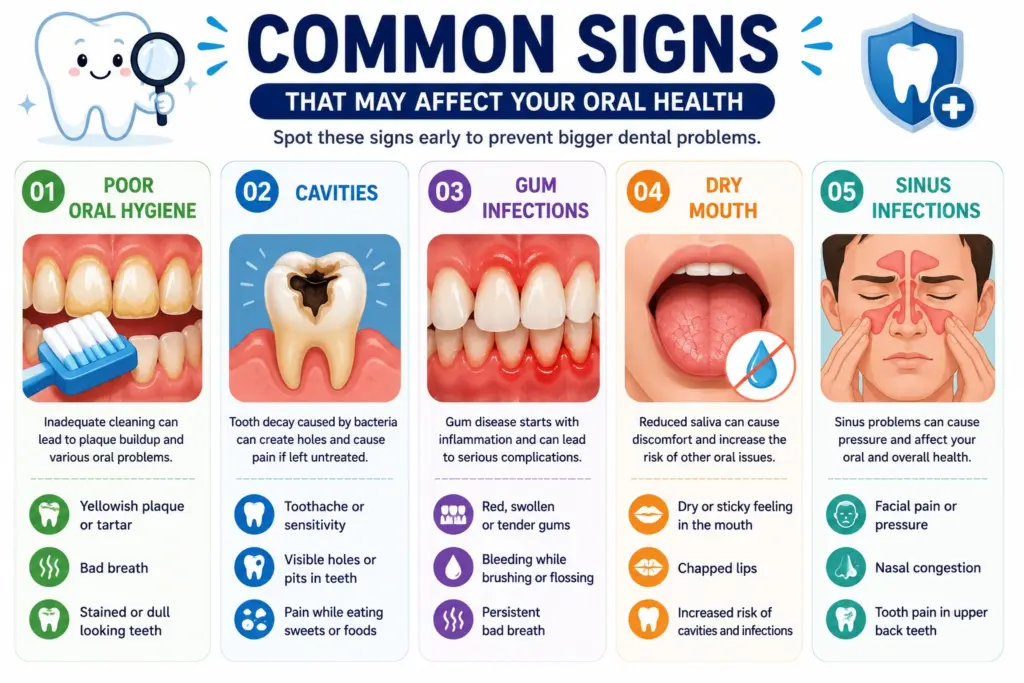
Bad Breath in Children
Occasional bad breath is normal, but persistent bad breath may signal oral health concerns.
Solution
Improving brushing habits, cleaning the tongue, staying hydrated, and addressing underlying dental issues often resolve persistent bad breath.
How Parents Can Help Prevent Dental Problems
Prevention remains the most effective approach to maintaining children’s oral health.
Parents can support healthy smiles by:
Encouraging twice-daily brushing with fluoride toothpaste
Supervising brushing until children develop proper technique
Limiting sugary snacks and drinks
Scheduling regular dental check-ups
Promoting healthy eating habits
Addressing oral habits such as thumb sucking early
Considering preventive treatments like fluoride applications and dental sealants
Small daily habits can make a significant difference in preventing future dental complications.
When Should Your Child Visit a Pediatric Dentist?
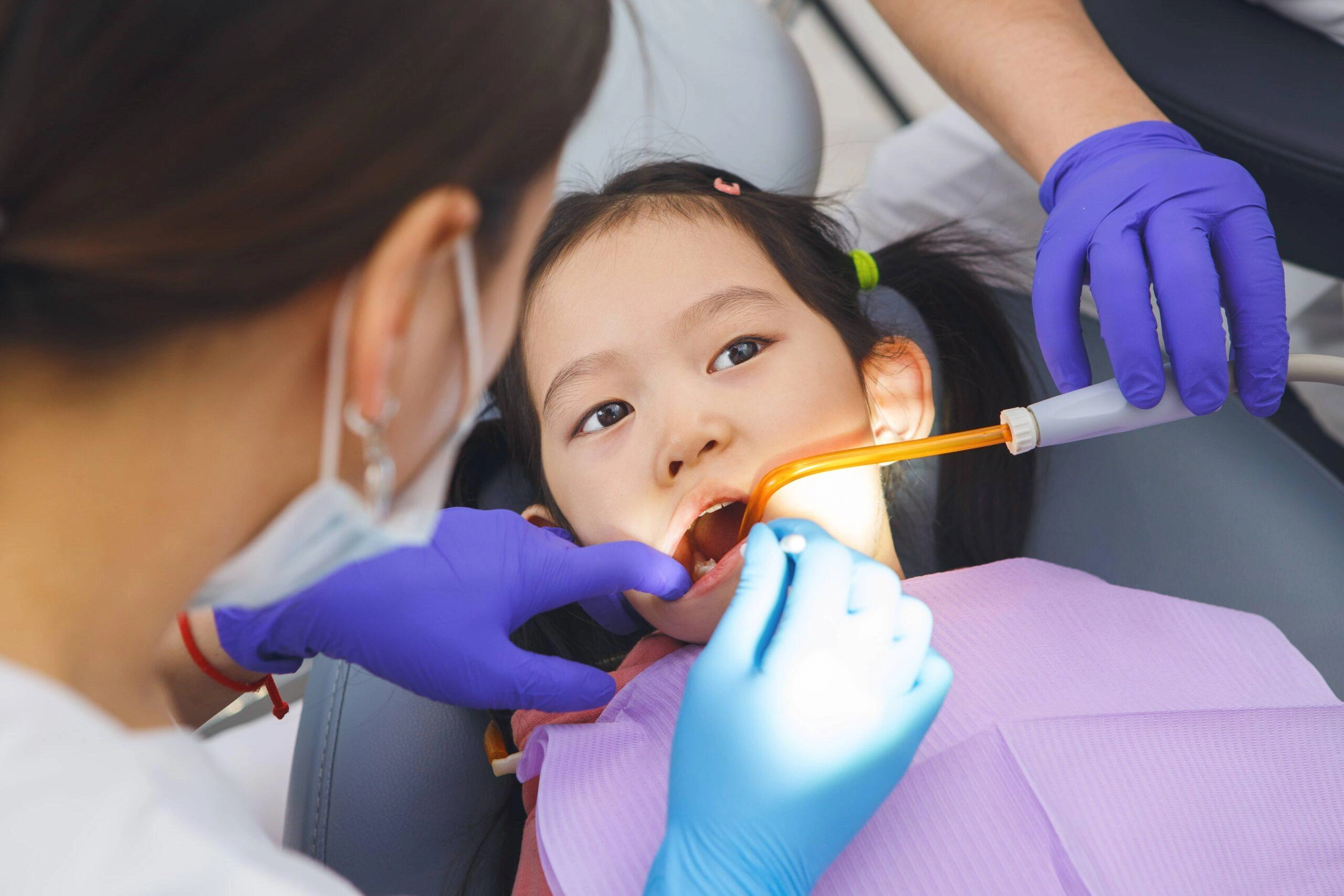
Many dental conditions develop gradually and may not cause symptoms initially. Regular dental visits allow problems to be identified before they become more complex or expensive to treat.
Children should ideally have their first dental visit by their first birthday, a guideline recommended by the American Academy of Pediatric Dentistry, and continue attending routine check-ups as recommended by their dentist.
FAQs
Most children benefit from dental check-ups every six months. However, some may require more frequent visits depending on their oral health needs.
Parents should begin cleaning their child’s gums even before teeth appear. Once the first tooth erupts, brushing with a soft-bristled toothbrush should begin.
Yes. Untreated cavities can cause pain, infection, difficulty eating, and may affect the development of permanent teeth.
If thumb sucking continues beyond early childhood, it can influence jaw growth and tooth positioning, potentially requiring orthodontic treatment later.
Most children should have an orthodontic assessment around age seven to identify developing bite or jaw concerns.