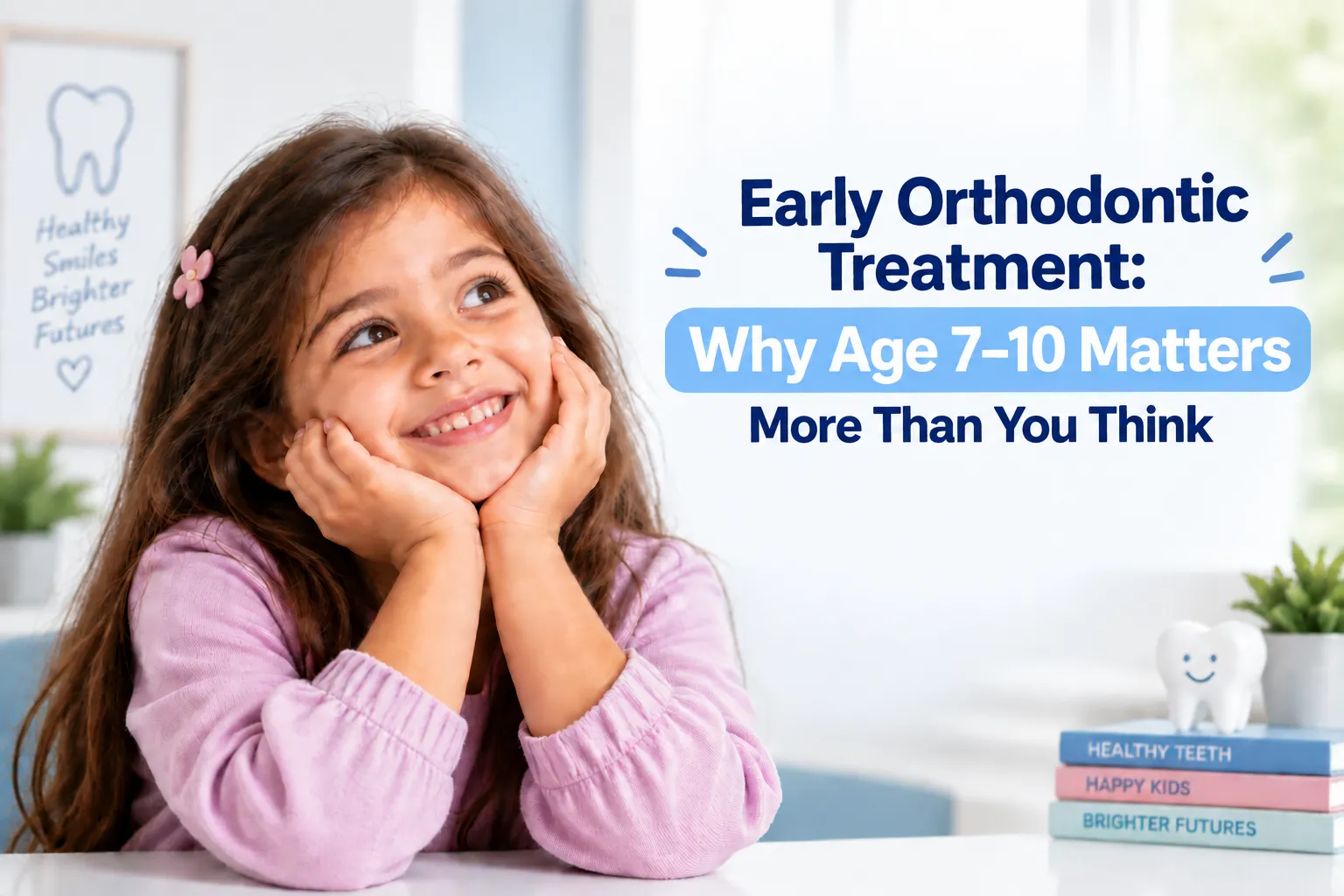
Generally, most parents believe that the early orthodontic process should be considered once all the permanent teeth have developed, which is typically during the teenage years. However, by this point, the child’s jaws would already be well-developed, and it may be too late for certain problems to be fixed.
The child’s jaw develops between the ages of 7 and 10, when both permanent and baby teeth develop together, thus providing an opportunity for orthodontists to diagnose and solve any problem at the earliest stage possible.
What Makes Ages 7–10 Such a Critical Window?
In this period, a child develops his or her first permanent molars and incisors, thus providing the orthodontist with an accurate idea about the development of the bite. Moreover, the bones of the jaw remain flexible and susceptible to growth guidance at this stage.
An evaluation at this stage allows an orthodontist to assess:
- Size of jaws compared to the size of the permanent teeth coming in
- Relationship between upper and lower jaw
- The effect of childhood behaviours, such as thumb sucking, on the development of the bite
- Early symptoms of crowded teeth, crossbite, or breathing problems
Recognising these symptoms early may not necessarily lead to treating the child immediately, but rather keeping a close watch on him so that, in case there is a need for any intervention, it will be done at the perfect moment of development.
“The most frequent misconception expressed by parents is that orthodontic care has something to do with straight teeth and is just meant for teens. On the contrary, some of the most important orthodontic procedures are carried out on children aged 7 to 10 years old, since their jaws are still forming. It is also more difficult to treat a patient when the permanent teeth come in.” — Dr. Madhuri
Not Sure If Your Child Needs an Orthodontic Check-Up Yet?
Why Waiting Until the Teenage Years Can Complicate Treatment
When a person reaches his/her late teens and facial bones have mostly grown, orthodontics becomes more focused on correction rather than on controlling and shaping the growth of these bones. There should not be any reason to worry, however, since all one needs to remember is that post-adolescent treatment would be a little bit harder to achieve.
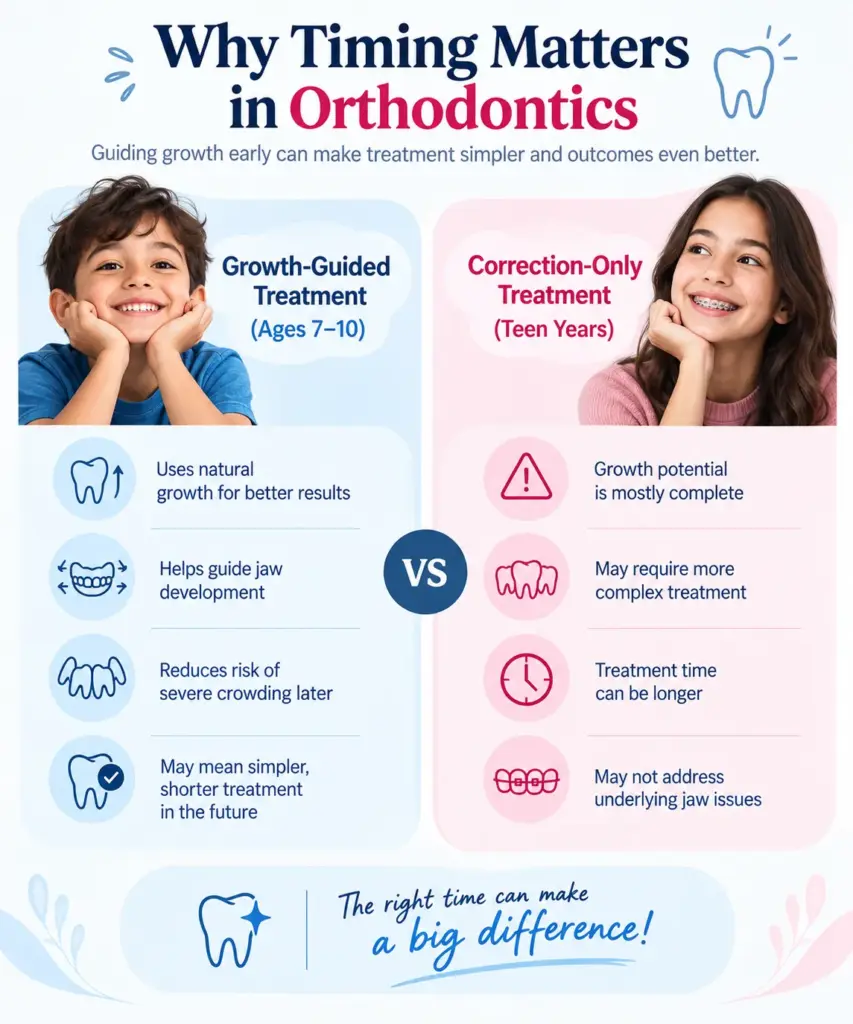
Early guidance of jaw growth results in minimal orthodontic treatments being required in the future, and in some cases even the extraction of teeth becomes unnecessary.
Signs Your 7–10-Year-Old May Benefit From an Orthodontic Evaluation
Not every child in this age group needs treatment, but certain signs suggest it’s worth having an orthodontist take a look.
Early or Late Loss of Baby Teeth
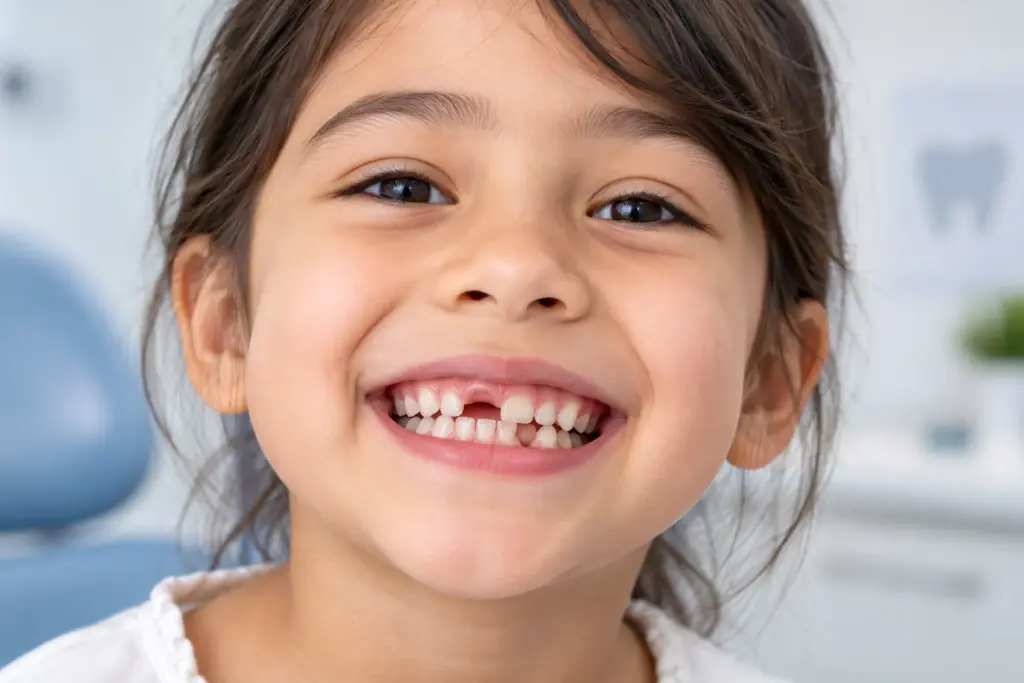
Early loss or delayed loss of baby teeth can impact the space that will be available to permanent teeth.
Crowded or Overlapping Front Teeth
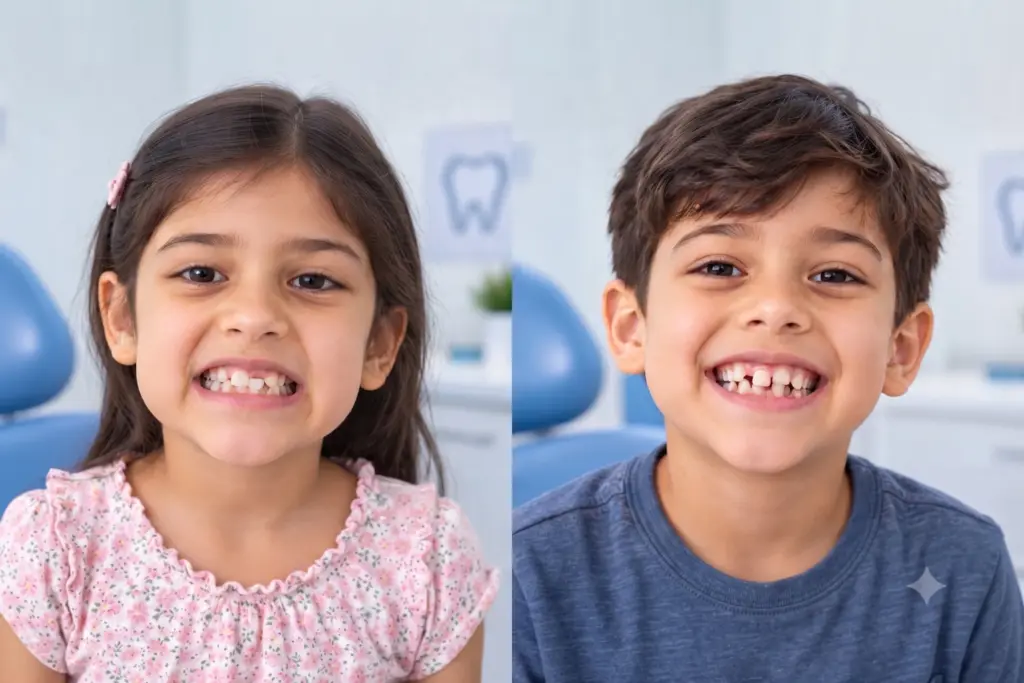
Overcrowding of the mouth at this stage typically shows that the jawbone is not large enough for the new teeth.
Difficulty Biting or Chewing

A bad bite such as an underbite, overbite, or crossbite will hinder your chewing process and even result in jaw pain.
Mouth Breathing or Snoring
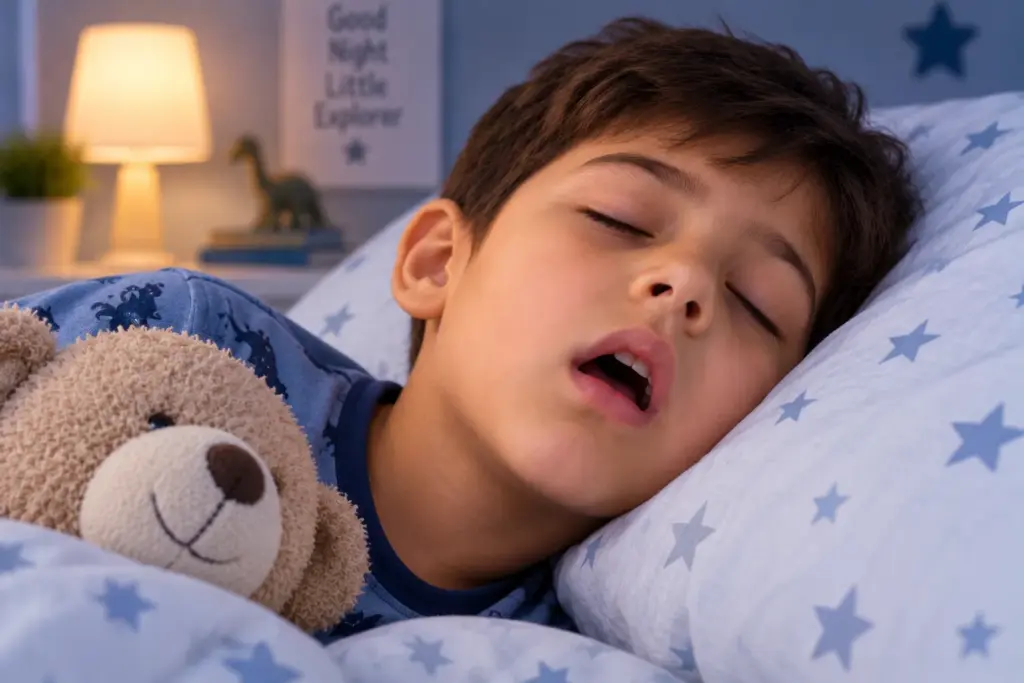
Chronic mouth breathing may have a connection to a small maxilla and could influence development of the face and teeth.
Thumb Sucking or Tongue Thrusting Habits

Habits maintained beyond the early toddler stage may slowly alter the formation of the jaws and anterior teeth.
Protruding Front Teeth
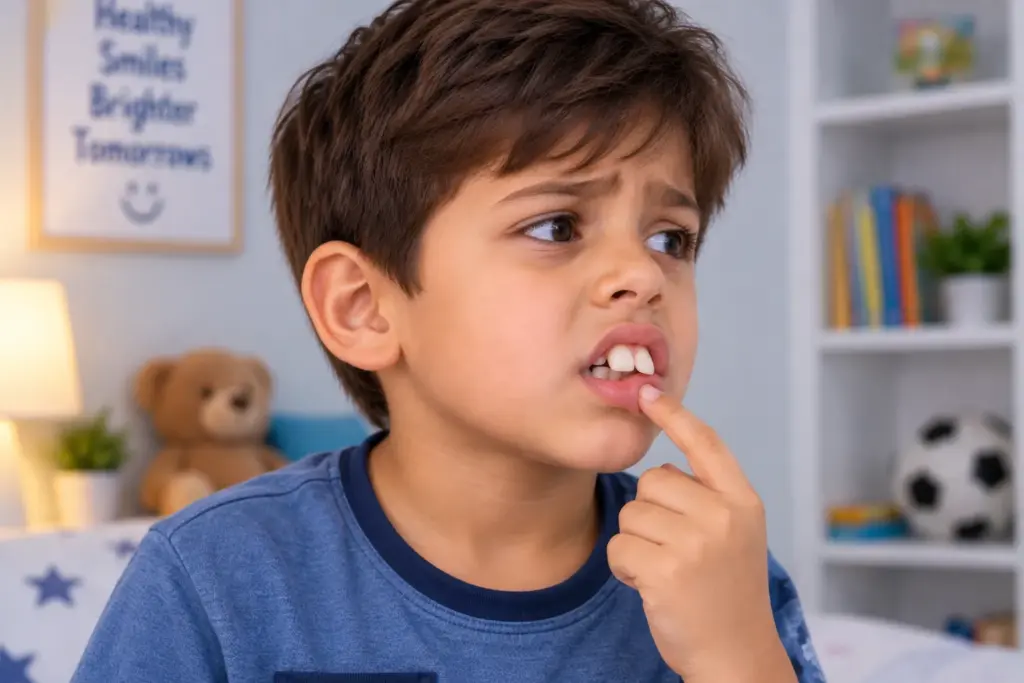
Jutting forward teeth are more likely to get injured and need to be corrected when the jaws can still be changed.
Wondering If One of These Signs Applies to Your Child?
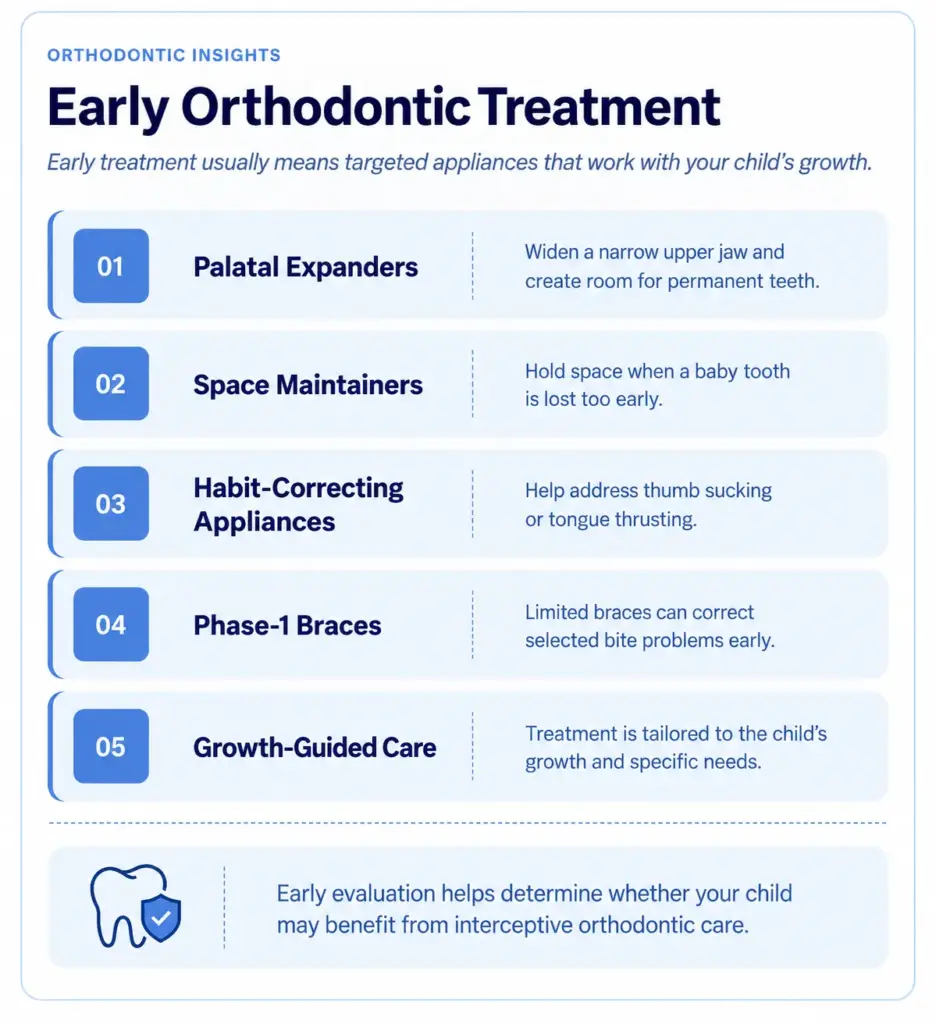
What Early Orthodontic Treatment (Age 7–10) Actually Involves
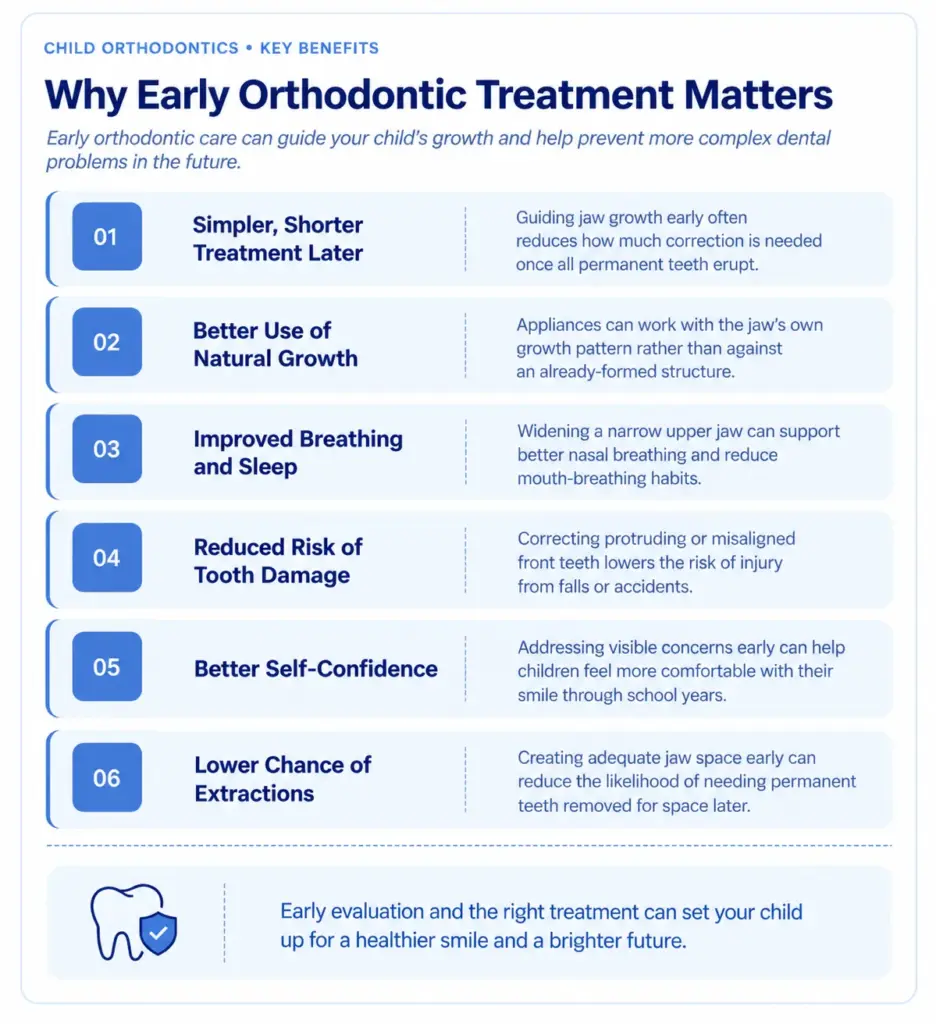
Benefits of Treating at Age 7–10 Instead of Waiting
What to Expect at a First Orthodontic Evaluation
An initial evaluation is straightforward and non-invasive. It typically includes:
- Visual examination of teeth and bite
- X-rays to assess jaw and tooth development
- Discussion of any habits or breathing concerns
- A growth-monitoring plan, even if treatment isn’t needed yet
Most children who are evaluated early won’t need immediate treatment. What they will have is a clear record of how their bite and jaw are developing, so nothing is missed.
The Bottom Line: Early Evaluation, Not Necessarily Early Braces
Ages 7-10 are not the time when you should seek treatment for your kid; it is the time to use the opportunity to receive an intervention to avoid any future issues. The test that is performed during these years is completely risk-free and even cost-efficient. Indeed, it is recommended by the American Association of Orthodontists to have this test performed regularly.
Give Your Child’s Smile the Right Start at the Right Age
FAQ
At age 7, the permanent molars and the permanent incisors have typically appeared, providing sufficient information to evaluate problems with biting and jaw development.
No, but your child may require monitoring only, with the necessary intervention scheduled appropriately in the future.
Interceptive orthodontics is an early intervention technique that aims at affecting the growth and development of the jaw.
Early orthodontic treatment may reduce the number of future procedures, but it cannot ensure that your child would never wear braces.
No, although 7-10 is the best period for certain procedures, an orthodontist can provide a diagnosis and treatment at any age.
Within the first few days, most children get used to appliances; they do not usually cause problems.