Dental emergencies are unpredictable and can occur at any time. Whether it’s sudden pain, swelling, or trauma, immediate attention can significantly help preserve your oral health. Delaying treatment may result in infections, permanent tooth loss, or more complex procedures later. Recognizing the warning signs and acting promptly is crucial. This guide highlights 7 critical dental emergencies you should not ignore, helping you act quickly when it matters most. For patients in Bangalore, consulting a trusted Dental Clinic in Seegehalli, Bangalore ensures professional care when you need it most.

“Dental emergencies should never be ignored. Early intervention prevents infections, saves teeth, and leads to better outcomes. Patients should seek care as soon as symptoms appear to protect their oral health.”
— Dr. Madhuri Kode, BDS, MDS (Conservative Dentistry & Endodontics), 12+ years experience
1. Severe Toothache

Severe tooth pain is more than just discomfort; it can indicate an underlying infection, cavity, or nerve damage. The pain often presents as throbbing, persistent, and may intensify with hot or cold foods.
Ignoring a severe toothache can allow the infection to spread, potentially leading to abscess formation or tooth loss.
Immediate Steps:
- Rinse with warm saltwater to reduce irritation
- Take over-the-counter painkillers for temporary relief
- Avoid chewing on the affected side
When to Visit a Dentist:
Seek immediate care if the pain lasts more than 24 hours, is accompanied by swelling, fever, or difficulty eating.
2. Knocked-Out Tooth

A tooth knocked out due to an accident, sports injury, or fall is a true dental emergency. The sooner the tooth is replanted, the higher the chances of saving it.
Symptoms include:
- Complete displacement of the tooth
- Bleeding from the socket
- Sudden pain
Immediate Steps:
- Hold the tooth by the crown, not the root
- Rinse gently with water
- Store in milk or saliva
- Reach a dentist within 30–60 minutes
Risks of Ignoring:
Permanent tooth loss, misalignment of neighboring teeth, and bone deterioration.
3. Broken or Cracked Tooth

Cracks or fractures may be subtle but can expose the tooth’s pulp, leading to discomfort or infection. Trauma, biting hard foods, or weakening from decay are common causes.
Symptoms include:
- Sharp pain when biting
- Sensitivity to temperature changes
- Visible chip or crack
Immediate Steps:
- Rinse your mouth gently
- Apply a cold compress to reduce swelling
- Keep any broken pieces for the dentist
Risks of Ignoring:
Infections, further fracture, and possible tooth loss. Prompt dental care often involves bonding, crowns, or other restorations.
4. Swollen Gums or Jaw

Swelling around the gums or jaw is often a sign of infection, impacted teeth, or gum disease. It may come with tenderness, redness, and difficulty chewing or speaking.
Immediate Steps:
- Rinse with warm saltwater
- Apply a cold compress externally
- Maintain oral hygiene carefully
Risks of Ignoring:
Infections can spread, causing abscesses or systemic health issues, and may ultimately lead to tooth loss.
5. Uncontrolled Bleeding
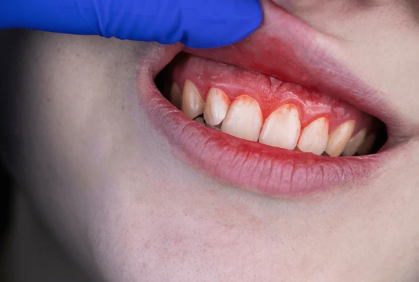
Uncontrolled bleeding from the gums or after dental procedures is alarming. Common causes include trauma, advanced gum disease, or complications after extractions.
Symptoms include:
- Bleeding that does not stop with pressure
- Dizziness or weakness in severe cases
Immediate Steps:
- Sit upright and apply gentle pressure with a clean cloth
- Avoid aggressive rinsing
- Seek urgent dental care
Risks of Ignoring:
Excessive blood loss, infection, and delayed healing.
6. Dental Abscess
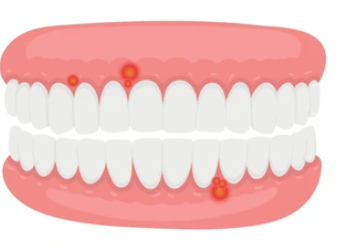
Dental abscesses occur when bacteria infect the tooth root or surrounding gum tissue. This leads to severe pain, swelling, and sometimes fever.
Immediate Steps:
- Rinse with warm saltwater
- Take pain relievers for temporary relief
- Avoid chewing on the affected side
Risks of Ignoring:
Infections can spread to the jaw or bloodstream, causing serious complications. Professional care may require drainage, antibiotics, and treatment of the underlying tooth issue.
7. Lost Crown or Filling with Pain
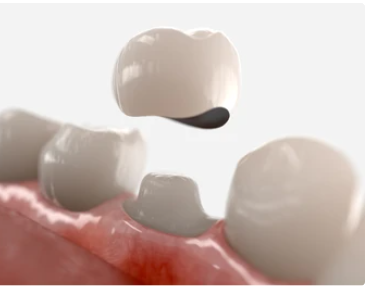
A lost crown or filling exposes the tooth nerves, leading to sharp pain and increased sensitivity. Causes include trauma, decay, or aging of restorations.
Immediate Steps:
- Keep the crown/filling in a safe place
- Avoid sticky or hard foods
- Use temporary dental cement if available
Risks of Ignoring:
Tooth decay may progress, pain may intensify, and infection risk increases. A dentist should replace or repair the restoration within 24 hours.
Notice sudden pain, swelling, or tooth trauma? Book an urgent consultation to protect your oral health.