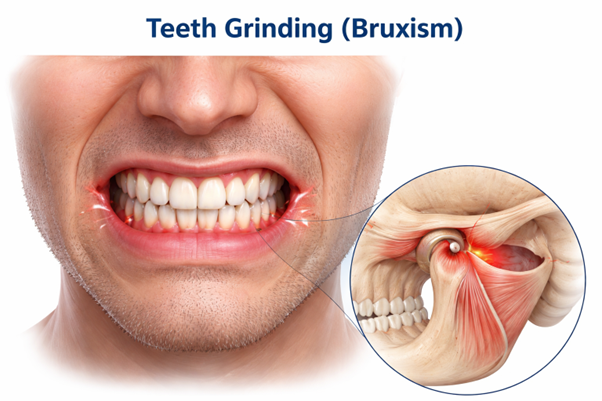

Close-up of a person grinding teeth to illustrate bruxism, with a circular inset showing jaw muscles around the molars.

Teeth Grinding (Bruxism): Causes and How to Fix It

Teeth grinding, also known as bruxism, is a surprisingly common condition that affects millions of people around the world. It involves the unconscious clenching or grinding of your teeth, often happening during sleep, though it can also occur while you’re awake. While it may seem like a harmless habit at first, bruxism can lead to serious dental issues over time, like worn-down enamel, jaw discomfort, and frequent headaches.

If you’re noticing any of these signs or waking up with a sore jaw, it’s important to take action. Ignoring bruxism can lead to more significant complications down the road. The good news? With the right treatment, you can protect your teeth, reduce pain, and get back to feeling comfortable in your own skin. Addressing the issue early on will help you maintain a healthy smile and overall well-being.

Dr. Madhuri Khoday, an experienced  Dentist at Aspire Dental Clinic in Seegehalli, Bangalore, explains, “A misaligned bite is often the overlooked trigger for bruxism. Correcting occlusal imbalance can significantly reduce grinding habits.”

Don’t ignore that daily discomfort; get expert help now.

What Causes Bruxism?

Bruxism is rarely caused by a single factor. It is usually the result of a combination of physical, psychological, and environmental influences. Identifying the root cause is essential in tailoring an effective treatment plan for the condition.

Split image: a stressed woman at a desk with a laptop, notebook and coffee, holding her temples; beside her, a stressed man in plaid pants on a couch, head in his hands.

Stress and Anxiety

One of the most common causes of bruxism is stress. When you experience anxiety or stress, your body tends to tense up, and this includes your jaw muscles. This tension often persists into the night, leading to teeth grinding while you sleep. Over time, this habit can become ingrained, even if the stress levels decrease.
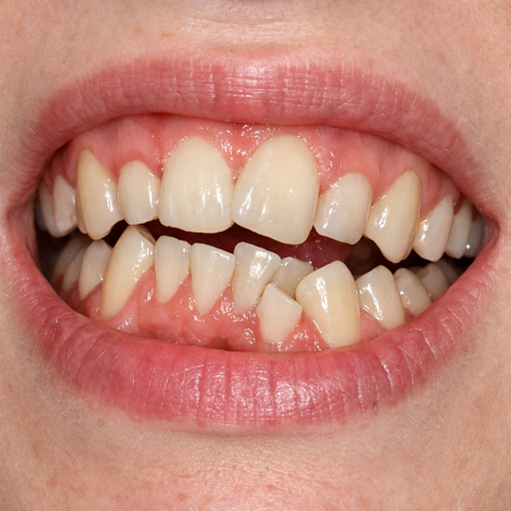
Close-up of a mouth showing crowded, misaligned teeth with gaps and an uneven bite.

Misaligned Bite (Occlusal Imbalance)

Another significant cause of bruxism is a misaligned bite, where the upper and lower teeth do not meet evenly. In this case, the jaw is continuously searching for a comfortable resting position, and the natural response is to grind the teeth. This mechanical issue can lead to more frequent grinding, which exacerbates the problem.
Dr. Madhuri Khoday adds, “Identifying the precise cause of bruxism is the first step toward effective treatment. Each case is different, and it’s vital to tackle the root cause rather than just managing the symptoms.”

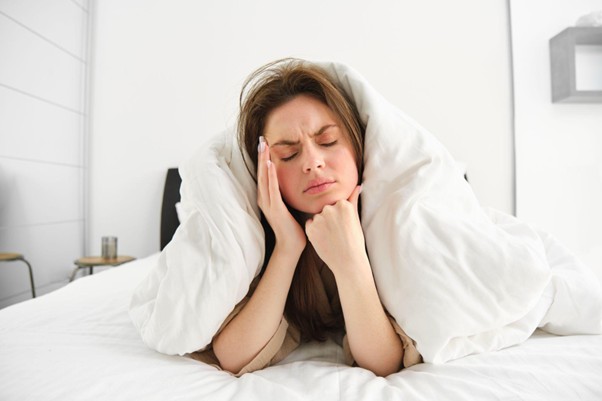
Woman lying in bed under a white duvet, pressing her temple in apparent headache pain.

Sleep Apnea

People with obstructive sleep apnea often experience bruxism due to the frequent disruptions in breathing while sleeping. These disruptions cause the body to temporarily wake up to resume normal breathing, and bruxism can occur during these episodes. The link between sleep apnea and bruxism makes treating one condition essential for alleviating the other.

Medical professional pours pills from a brown bottle into an open palm, with assorted capsules and tablets visible in the hand and blue scrubs in the background.

Medications and Other Health Conditions

Certain medications, especially selective serotonin reuptake inhibitors (SSRIs), used to treat depression, are known to contribute to bruxism. Additionally, other conditions such as Parkinson’s disease, gastroesophageal reflux disease (GERD), and even nutritional deficiencies can trigger teeth grinding. Identifying the underlying health conditions is critical to managing bruxism effectively.


Waking up with jaw pain? Let’s fix the root cause.

How do I Know if I Have Bruxism?

The signs of bruxism can be subtle at first, especially if the grinding occurs during sleep. However, several common symptoms indicate that you might be suffering from this condition:

Young woman with red glasses shrugging with a puzzled expression against a pink backdrop.

Frequent jaw pain or tightness

This discomfort can be felt upon waking up or during the day.

Morning headaches

A common symptom of bruxism, particularly headaches around the temples.

Tooth wear and fractures

Over time, grinding can lead to visible wear on the teeth or even cracks.

Tooth sensitivity

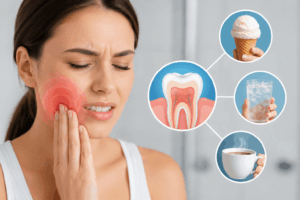
As enamel wears down, your teeth may become more sensitive to hot, cold, or sweet foods.

Difficulty chewing

Pain or discomfort when chewing food may be a sign of bruxism-related damage.

Sleep disturbances

Bruxism can cause disruptions in your sleep, making it harder to get restful sleep.

If you notice any of these signs, it’s important to seek professional help from a dentist to address the problem before it worsens.

When to Visit a Doctor

Bruxism can be a serious condition if left untreated. It can lead to long-term damage to your teeth, jaw, and overall dental health. If you experience any of the following symptoms, it’s time to consult a professional:

Female clinician with stethoscope consulting a male patient across a desk in a bright clinic room.

Persistent jaw pain or discomfort, especially after waking up.

Tooth damage: Including chipped or worn teeth, cracks, or fractures.

Morning headaches: Consistent headaches after waking up can be a sign of nighttime grinding.

Sore or stiff jaw: If you’re having trouble opening or closing your mouth, or if your jaw feels tight.

Waking up with a sore jaw or tension: This is a clear indication of bruxism.

Ignoring these symptoms can lead to costly treatments and irreversible dental damage. Seeking help early can save you time, money, and pain down the road.

Diagnosis of Bruxism

Diagnosing bruxism typically involves a thorough dental examination. Your dentist will check for signs of tooth wear, enamel damage, and physical signs of stress or tension in the jaw muscles. They may also ask you about your sleep patterns, stress levels, and any medications you may be taking to better understand the underlying cause.

In some cases, X-rays or other imaging techniques may be used to assess the extent of damage to your teeth and jaw.

Treatment Options for Bruxism

Treatment for bruxism depends on its severity and the underlying causes. The goal of treatment is to reduce grinding, prevent further damage, and address any root causes. The most common treatments include:

Night Guards

Night guards are one of the most effective treatments for bruxism. These custom-made devices are worn at night to create a physical barrier between your upper and lower teeth, preventing them from grinding against each other. Night guards can reduce the strain on your jaw muscles and protect your teeth from further enamel wear.

Smiling woman holding a clear dental aligner between her fingers, showing it to the camera.

Orthodontic Treatment

If a misaligned bite is the root cause of your bruxism, orthodontic treatment may be necessary. Braces or clear aligners can help correct bite issues, which can eliminate the need for grinding by allowing your teeth to align correctly. This is one of the most effective ways to address bruxism caused by occlusal imbalance.

Man at a desk with a laptop looks overwhelmed as colleagues push papers and a phone toward him in a tense office scene.

Stress Management

Since stress is a leading cause of bruxism, managing stress can significantly reduce teeth grinding. Techniques like relaxation exercises, deep breathing, biofeedback, and even physiotherapy can help relieve tension in the jaw muscles. Learning how to cope with stress in healthier ways can reduce the frequency of grinding.

Side profile of a woman while a clinician in gloves marks her chin with a marker for a cosmetic procedure.

Botox for Bruxism

For severe cases of bruxism, Botox injections can be used to paralyze the jaw muscles, reducing grinding temporarily. This treatment option is particularly effective when other methods, like night guards or stress management, have not worked. Botox can help alleviate pain and provide long-term relief for patients with chronic bruxism.

Two women sit at a table reviewing a form; one writes with a pencil while the other gestures toward notes.

Cognitive Behavioral Therapy (CBT)

If your bruxism is linked to anxiety or stress, cognitive behavioral therapy (CBT) can help. CBT focuses on changing the thought patterns that contribute to stress and anxiety. By addressing these emotional triggers, CBT can significantly reduce the frequency of grinding.

Dr. Madhuri Khoday explains, “Night guards are the first line of defense against teeth grinding. They not only protect your teeth but also help alleviate the jaw pain caused by clenching.”

Prevention Tips for Bruxism

While bruxism may not always be preventable, there are several steps you can take to reduce its occurrence:

  • Manage stress: Incorporate relaxation techniques like meditation, yoga, and deep breathing into your daily routine.
  • Establish a healthy sleep routine: Go to bed at the same time every night and ensure you’re getting adequate rest.
  • Avoid stimulants: Limit caffeine and alcohol intake, particularly in the evening, as they can increase the likelihood of grinding.
  • Consider using a night guard: If you’re prone to grinding your teeth at night, wearing a night guard can help protect your teeth and alleviate jaw pain.

Bruxism is a common condition that can have serious consequences for your oral health if left untreated. Whether it’s a misaligned bite, stress, or other underlying factors causing your grinding, seeking professional treatment early can save your teeth and reduce the risk of further damage. With the right approach, whether it’s a night guard, orthodontic treatment, or stress management, you can manage bruxism effectively and regain comfort in your everyday life.

Take the first step toward pain-free mornings. Book Your Consultation Now.

FAQs

Bruxism is caused by stress, misaligned teeth, sleep apnea, and certain medications.
Signs of grinding include jaw pain, headaches, and worn-down teeth.
Yes, untreated bruxism can lead to erosion of tooth enamel and fractures.
Treatments include night guards, stress management, and orthodontic adjustments.
Stress is a major trigger for both day and night bruxism.