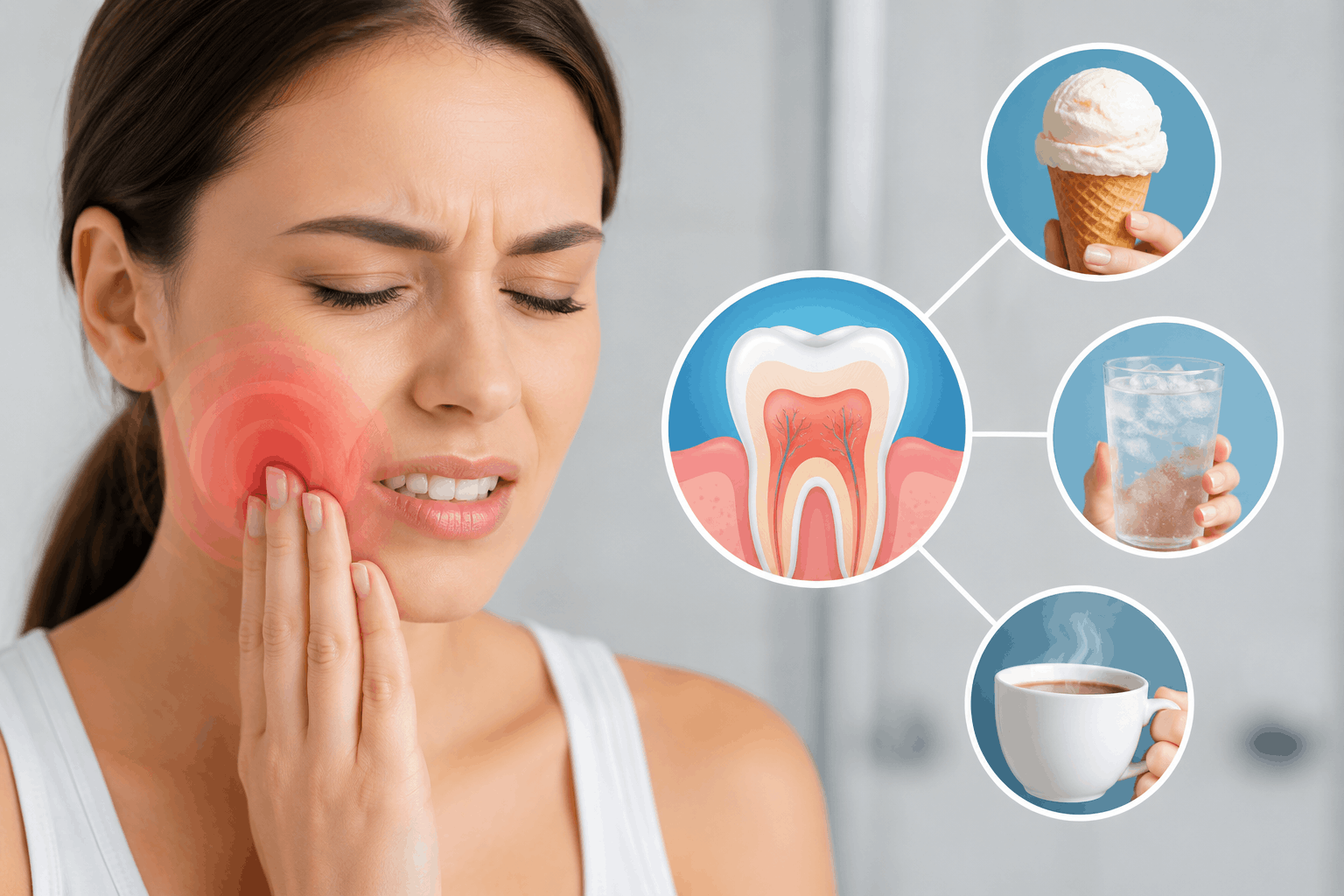
Post-whitening sensitivity is normal and affects roughly 51% of patients who undergo at-home bleaching. It happens because hydrogen peroxide and carbamide peroxide penetrate through enamel into the dentinal tubules, irritating the nerve endings inside the tooth. The sensitivity is temporary and typically resolves within 24 to 72 hours. Patients with thinner enamel or pre-existing sensitivity tend to experience it more intensely.
According to the specialists at Dental Clinic in Bangalore, Sensitivity after whitening is almost always transient, but the intensity and duration depend heavily on the peroxide concentration used and the condition of the patient’s enamel before treatment starts.
Why Does Whitening Cause Tooth Sensitivity?
The mechanism is well understood clinically. Sensitivity isn’t a side effect of something going wrong; it’s a predictable response to how whitening agents work at a structural level.
- Peroxide penetration: Small molecular weight means hydrogen peroxide doesn’t stop at the enamel surface it keeps going until it hits the nerve endings inside the dentinal tubules.
- Tubule fluid movement: Pressure shifts in those tubules are how the pulp detects anything at all, so peroxide essentially tricks it into firing the same pain signal that cold water on exposed dentin does.
- Higher concentrations, more sensitivity: At 25 to 40% hydrogen peroxide, in-office bleaching is aggressive enough that sensitivity shows up in virtually every patient, teeth with restorations included.
- Pre-existing enamel thinning: Less enamel means a shorter journey for the peroxide, and patients who’ve already lost surface through grinding or acid erosion feel that arrival much sooner and much harder.
Book a professional teeth whitening consultation at Aspire Dental to get a protocol matched to your enamel condition before treatment starts.
What Actually Helps Reduce Sensitivity After Whitening?
Not all sensitivity management works the same way. Some approaches fix the underlying mechanism; others just dull symptoms for a few hours.
- Potassium nitrate desensitisers: Rather than blocking the sensation at the surface, potassium nitrate goes after nerve excitability inside the pulp itself, and it does that without interfering with how white the teeth actually get.
- Fluoride application: Tubule occlusion is the goal here: fluoride physically plugs the openings so fluid can’t shift as freely, which cuts the signal the pulp would otherwise keep receiving while the tooth settles.
- Spacing out sessions: One long session isn’t the only way to whiten, and for patients prone to sensitivity it’s usually the worst way splitting into shorter rounds with recovery time in between changes the experience significantly.
- Timing cosmetic sequencing correctly: Cosmetic dentistry work like veneers should always come after whitening since the shade is locked in permanently at bonding and can’t be lifted later.
Use the root canal blog again as L4 here with a different angle. Updated closing line: For patients managing both enamel sensitivity and endodontic concerns, our previous blog on root canal retreatment covers how underlying tooth health affects cosmetic
Why Choose Aspire Dental Clinic?
Dr. Madhuri Khoday, MDS Orthodontics and certified Invisalign provider with over 12 years of clinical experience, leads cosmetic and smile correction cases at Seegehalli where enamel assessment comes before any whitening recommendation. Most post-whitening sensitivity problems trace back to skipping that step entirely.
The protocol at Aspire Dental gets built around the patient’s actual enamel condition, not a default concentration that works on average. That difference is what separates a comfortable whitening experience from one that sends patients back with pain.
FAQ
Post-whitening sensitivity typically resolves within 24 to 72 hours after treatment.
Temporary sensitivity is a normal response to peroxide penetration and does not indicate permanent enamel damage in most cases.
Yes, but a dentist should assess enamel thickness and existing sensitivity before recommending a whitening concentration and protocol.
Yes, in-office bleaching uses higher peroxide concentrations and causes more intense sensitivity than at-home whitening systems.
Disclaimer
This blog is for educational and informational purposes only and should not be considered professional advice.