Damon braces are often more comfortable than traditional metal braces, but they are not completely pain-free. Because they use a self-ligating system that reduces friction and allows the archwire to move more freely, many patients report less soreness during treatment and after adjustments.
According to the specialists at Dental Clinic in Seegehalli, “Damon braces can feel gentler than conventional braces for many patients, but some pressure is still normal as the teeth begin to move.”
Why Damon Braces May Hurt Less
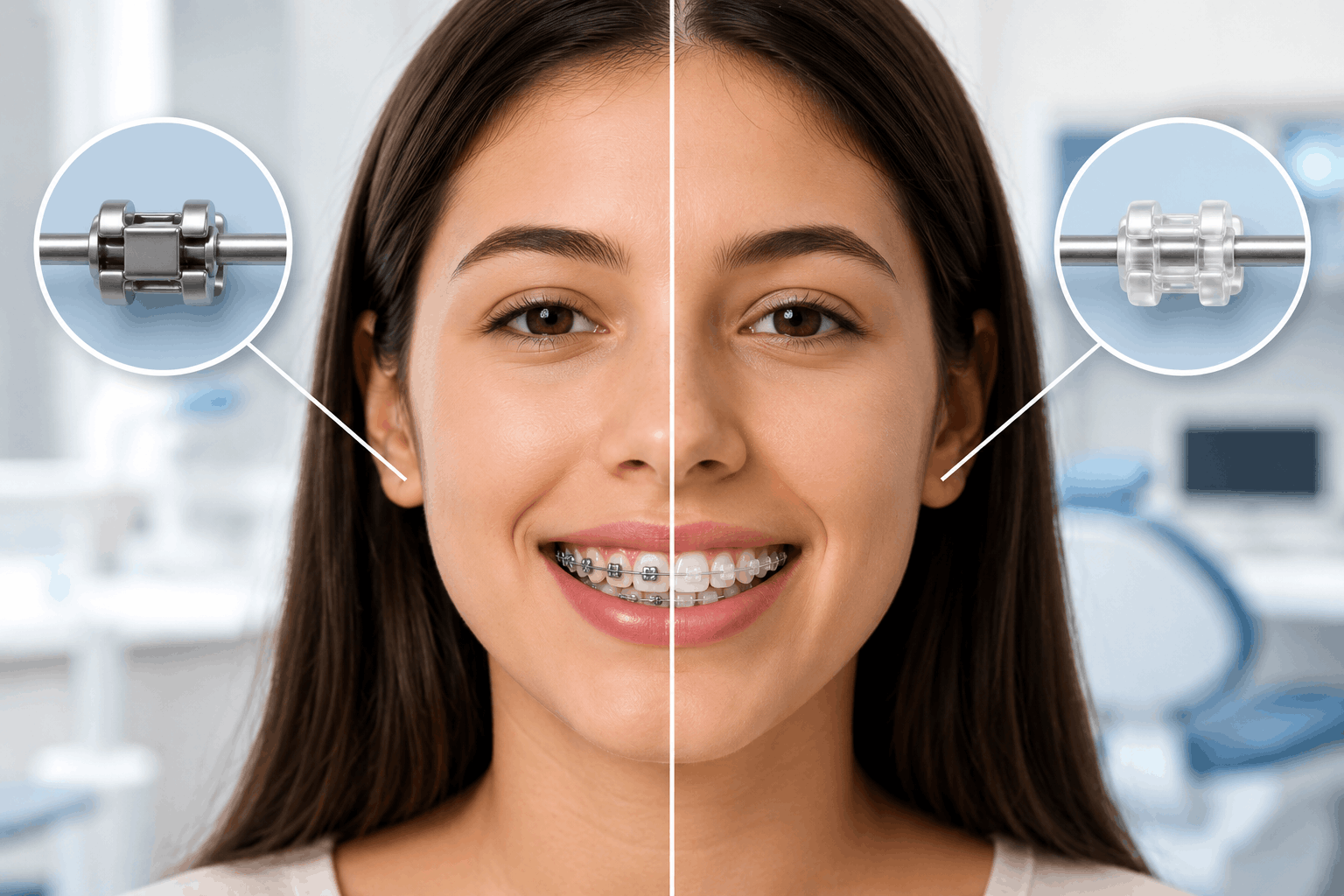
The main reason Damon braces may feel more comfortable is their design. Instead of using elastic ties to hold the wire in place, they use a built-in sliding mechanism that allows smoother movement and reduces friction between the wire and bracket.
- Lower friction: The self-ligating system helps the wire move more naturally, which can reduce the pressure patients often associate with traditional braces.
- Lighter force application: Damon braces are designed to use gentler, more continuous pressure, which may make the early stages of treatment easier to tolerate.
- Fewer intense adjustment feelings: Traditional braces can feel tighter after adjustment visits because the ligatures create more resistance. Damon braces may reduce that sensation for some patients.
- Better hygiene access: Since there are no elastic ties around each bracket, cleaning may be easier, which can improve overall treatment comfort during orthodontic care.
Book a professional cosmetic dentistry consultation at Aspire Dental if you want to understand how Damon braces fit into a broader smile correction plan.
Damon Braces vs Metal Braces
Traditional metal braces are highly effective and remain a common orthodontic option, but they usually create more friction because the archwire is tied into each bracket with elastic bands. That can sometimes make the teeth feel tighter, especially after adjustment appointments.
Damon braces, on the other hand, are designed to let the wire slide more freely, which may reduce discomfort and pressure. Some patients also find that Damon braces involve a more comfortable experience during follow-up visits, although comfort still depends on the person, the bite problem, and the stage of treatment.
|
Point |
Damon Braces |
Metal Braces |
|
Pain/Comfort |
Often feels more comfortable because it uses a self-ligating system with less friction. |
Can feel tighter or more uncomfortable after adjustments because elastic ties create more resistance. |
|
Bracket Design |
Uses a built-in sliding mechanism instead of elastic ties. |
Uses elastic or metal ligatures to hold the archwire in place. |
|
Friction |
Lower friction between wire and bracket. |
Higher friction due to ligatures. |
|
Adjustment Experience |
May feel gentler during follow-up visits for some patients. |
Often feels tighter after adjustments. |
|
Oral Hygiene |
Usually easier to clean because there are no elastic ties trapping debris. |
Can be harder to clean because ties may hold plaque and food particles. |
|
Treatment Feel |
May apply lighter, more continuous pressure. |
May create stronger pressure during tightening. |
|
Cost |
Generally more expensive. |
Usually more affordable. |
|
Best For |
Patients seeking a more comfortable orthodontic experience. |
Patients looking for a reliable and budget-friendly traditional option. |
In simple terms, Damon braces may hurt less than metal braces for many patients, but the difference is not identical for everyone. Some people notice a clear comfort advantage, while others experience only a small change in how the braces feel.
If you are also comparing orthodontic correction with cosmetic smile enhancement, our previous blog on veneers and laminates may help you understand the difference between alignment and aesthetic correction.
Why Choose Aspire Dental Clinic?
Dr. Madhuri Khoday, MDS Orthodontics and certified Invisalign provider with over 12 years of clinical experience, leads smile correction and orthodontic treatment planning at Aspire Dental. Her approach focuses on balancing treatment effectiveness, patient comfort, and long-term smile outcomes.
For patients who want personalised orthodontic guidance, Aspire Dental helps compare Damon braces, traditional braces, and other alignment options in a way that is practical, transparent, and tailored to the individual case.
FAQ
Damon braces are often reported as less uncomfortable than traditional metal braces because they use less friction and lighter forces.
No, Damon braces are not painless. Some soreness is normal, especially when treatment begins or when teeth are actively shifting.
In some cases, Damon braces may involve a more comfortable adjustment experience, but the exact visit schedule depends on the treatment plan.
Damon braces may be a good option for patients who want a more comfortable orthodontic experience and a system that moves teeth with less friction.